











Managing money can feel overwhelming, especially when there are lots of accounts, bills and savings to keep track of. A short, regular check in can help you understand where your money is going and spot small opportunities to save or plan ahead.
Some people call this a ‘money MOT’. Much like a car MOT checks everything is running smoothly, a money MOT is a quick review of your finances. Setting aside an hour at the start or end of the month, or around payday, can help you keep track of bills, savings and your pension while keeping long-term goals in sight.
Here’s how you can run a simple one-hour money MOT.
1. Check your regular spending - 15 minutes
Subscriptions and regular purchases can add up without you noticing. Taking 15 minutes to review your spending can help you understand where your money is going and spot anything you no longer need.
What you can do:
- Look through your recent statements - from your bank or credit card provider to see which subscriptions or memberships are coming out each month.
- Make sure you aren’t paying for duplicate services - such as multiple streaming or cloud storage subscriptions. If something no longer feels useful, consider cancelling or switching it for an alternative.
- Check any introductory offers that might be ending - and make a note of any payments that are due to increase. You could end up finding a cheaper plan.
- Consider using a money management app - like Emma or Snoop, so you can see all your recurring payments in one place.
2. Review your long-term savings - 15 minutes
Checking your pension can help you understand how your savings are growing and whether you’re contributing enough to support your future plans.
If you’ve changed jobs during your career, you might also have more than one pension. Reviewing them during your money MOT can help you keep track of what you have.
What you can do:
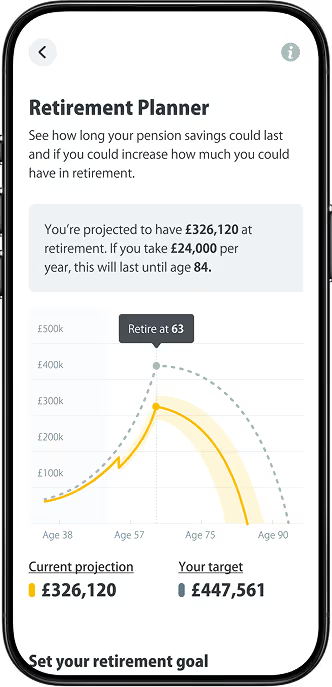
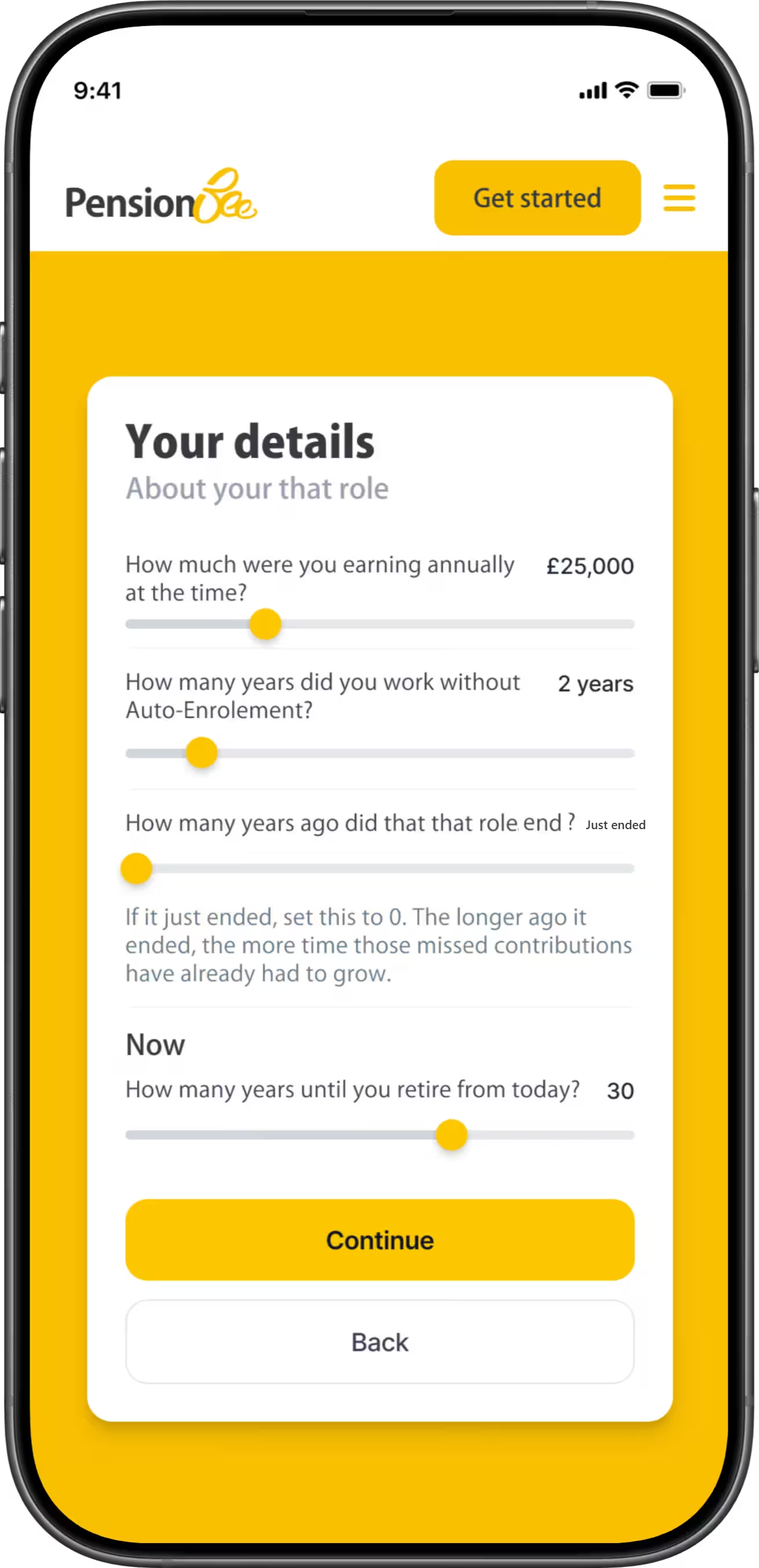
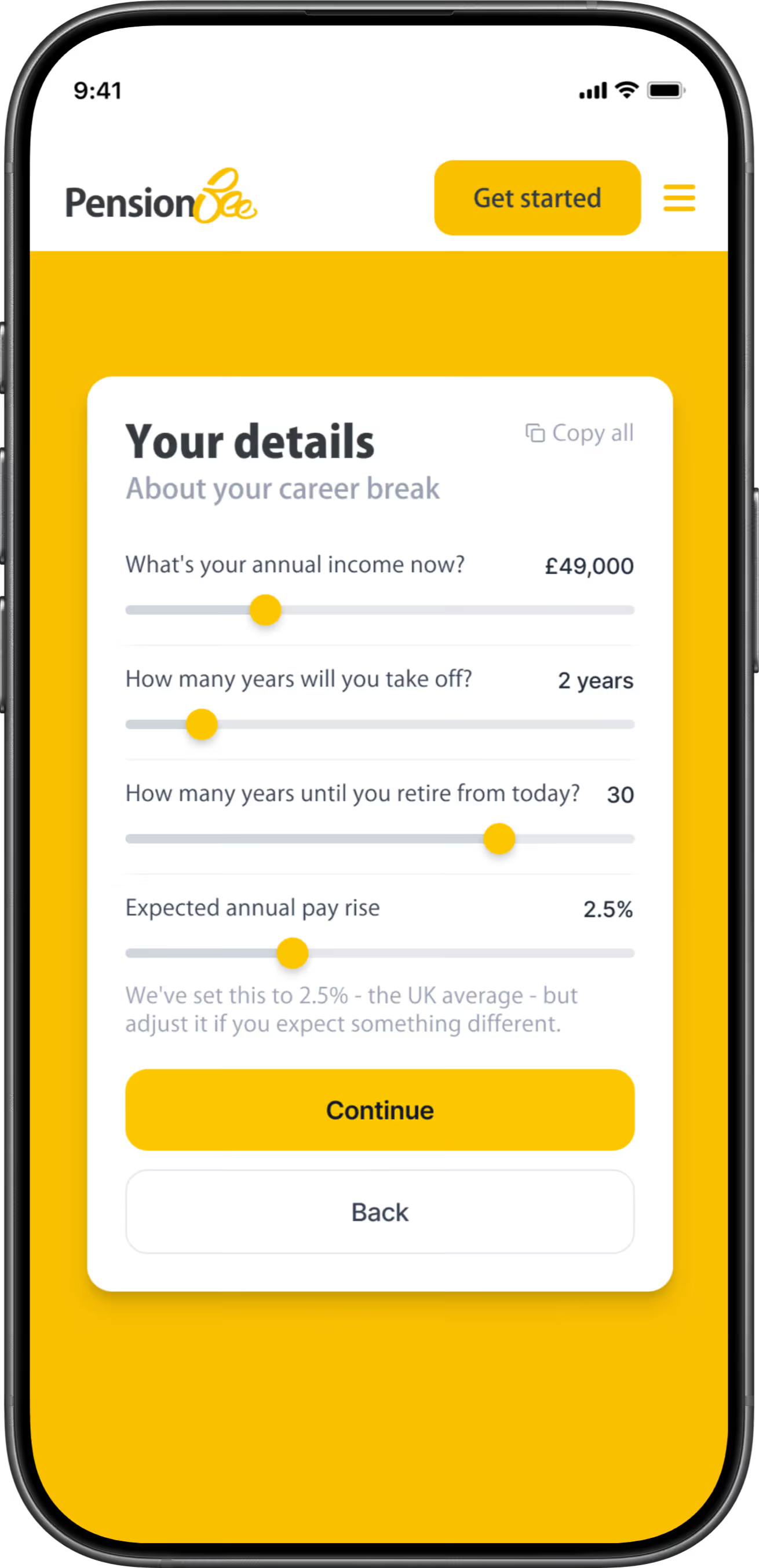
- Check your contributions - and keep on top of how much you’re paying into your workplace or personal pension. You can use tools like PensionBee’s Pension Calculator to see the impact of your contributions - and learn how adjusting them can help you grow your pot over time.
- Consider increasing contributions - if there’s room in your budget. Even a small increase can make a big difference over time. Under Auto-Enrolment rules, if you’re eligible, you should be paying 5% of your ‘qualifying earnings’ into the workplace scheme. And your employer should be paying 3%. But it’s worth asking them if they’ll match your contributions.
- Find any old pensions from previous jobs - using the Pension Tracing Service. You might discover a few small pots that could be combined into one new plan. This could make pension management easier and potentially reduce fees you’re paying across multiple providers.
3. Review household bills - 15 minutes
Household bills can change over time, especially when offers end or providers increase their prices. If you’ve been with the same company for a while, you might be paying more than new customers. A quick review can help you understand what you’re paying and whether there are cheaper options available.
What you can do:
- Look at recent bills - for services like energy, broadband and mobile to see how much you’re currently paying.
- Check when your contracts renew - as this is often when prices increase.
- Make sure your current plan still suits your needs - if your usage has changed, consider exploring other options.
- Use comparison websites - like MoneySuperMarket or Money Saving Expert to see if similar services are available at a lower price.
- Search for better deals - and if you find one, ask your current provider if they can match the price.
4. Check your savings and emergency fund - 15 minutes
Now you know how much you’re spending each month, you’ll have a clearer idea of what could be set aside for savings. Even small, regular amounts can build up over time.
An emergency fund is money set aside for things like urgent repairs, medical costs or a sudden loss of income. Many people aim to build an emergency fund that covers three-to-six months of living expenses, although this can take time.
What you can do:
- Try using a budgeting tool - to see how much money might be available for savings each month. Money management apps like Emma or Snoop have helpful features.
- Check your savings - to see how much you already have and whether it covers any unexpected costs.
- Consider setting up a regular transfer - into a savings account around payday, so you don’t have to remember to do it yourself.
- Look at tax-efficient accounts - such as Individual Savings Accounts (ISAs), which allow you to earn interest or investment returns without paying tax on them. You can save up to £20,000 per tax year (2026/27) - just remember this is across all your ISAs and not per account.
- Start with a small monthly amount - if creating an emergency fund in one go feels overwhelming. You could always increase it over time.
One hour to better financial health
A money MOT doesn't need to take long. Spending around 15 minutes on each of these areas will help you spring clean your finances and get everything in order. One hour can be enough time to check your spending, review bills, look at your savings and see how your pension is building.
Try to make this into a simple habit by setting aside a regular time each month. Over time, these small check ins will allow you to keep your long-term financial goals in sight.
Katie Sims is a Freelance Journalist and has been writing since 2021. She has a keen interest in financial wellness for women, and hopes to make money topics simple and accessible. Holding an MA in Media and Journalism, her work has been featured in Marie Claire, Woman & Home, Liz Earle Wellbeing, Tom’s Guide, and many more.
Risk warning
As always with investments, your capital is at risk. The value of your investment can go down as well as up, and you may get back less than you invest. This information should not be regarded as financial advice.
Period | Market Event | FTSE World TR GBP (%) | 4Plus Plan (%) |
|---|---|---|---|
4Plus Plan’s inception – 6 Sept 2013 | QE Tapering, China Interbank Crisis and its aftermath | -5.44 | -2.41 |
3 Oct 2014 – 15 May 2015 | Oil price drop, Eurozone deflation fears & Greek election outcome | -5.87 | -1.77 |
7 Jan 2016 – 14 Mar 2016 | China’s currency policy turmoil, collapse in oil prices and weak US activity | -7.26 | -1.54 |
15 June 2016 – 30 June 2016 | BREXIT referendum | -2.05 | -1.07 |












%201.png)