Blog
Bonus episode: Six tips for automating your personal finances
Read the transcript from our bonus podcast episode on six tips for automating your personal finances.

The following is a transcript of a bonus podcast episode of The Pension Confident Podcast. Listen to the episode or scroll on to read the conversation.

PHILIPPA: Hi, welcome back. For this special bonus episode, we’re looking at how automation can help you manage your personal finances. Standing orders, calendar reminders and of course apps - they can all save us time and make sure we keep our payments and our savings on track. So what might work best for you?

I’m Philippa Lamb - if you haven’t subscribed yet why not click right now and never miss an episode? And before we get going, here’s the usual disclaimer: please remember that anything discussed on this podcast shouldn’t be regarded as financial advice or legal advice. When investing, your capital is at risk.

1. Establishing good financial habits

PHILIPPA: So, automating your finances, and first up, here’s Financial Advisor and Author, Bola Sol, from episode 37, talking about how automation is great if you’re keen to establish good financial habits.

BOLA: Wherever you can automate money and contributions to your pension. Yeah, I’d say that’s key. And potentially, if you can add more in manually yourself, maybe set quarterly reminders on top of the automation, that way you have two different sets of reminders. One that’s happening automatically and one where you can say, “oh, I wonder, do I have a bit more money at the moment to put in?”.

PHILIPPA: I do that. Calendar reminders, that simple. It’s a nice idea, isn’t it? Set them for weekends, though, because if you set them in the week, you don’t do it. I speak from experience here because life gets busy. And then before you know it you’ve forgotten about that calendar reminder.

2. Sharing expenses

PHILIPPA: Automation can also take some of the awkwardness out of sharing expenses with loved ones too. Here’s Brooke Day, Head of Brand and Communications at PensionBee, back in episode 27.

BROOKE: So whenever I’ve gone on big group trips, we’ll use an app called Splitwise, and I’m sure there’s many others.

PHILIPPA: Oh, yeah.

BROOKE: And so then it takes away the awkwardness of, I guess sometimes you feel like if you’re owed £10 by the end, you don’t really want to ask for it. When everyone’s putting all of the different expenses on there and who bought things or shared things with, it rounds it all up and at the end, it splits it. So everyone gets what they put in. So some of my friends will like to go away with no cash, but they know, “oh, it’ll all be figured out towards the end”. Whereas I think I’m a bit more like, I like to know what I’m going with. But then equally, I’m going to get some back later on. So win-win from the situation.

3. Automation and credit scores

PHILIPPA: In episode 31 we chatted about credit scores and how vital it is to understand how your financial behaviour can impact your score. Here’s Financial Content Creator and Author, Clare Seal, remembering how automation helped her keep her finances stable at a really busy time in her life.

CLARE: It’s a really good idea to check your report if you notice a sudden change in your score. And this is why I check it every month. So I’ve got a 15-month-old daughter, and when she was born last year, fell over when a repayment was due on a small loan that I took out when we moved house a couple of years ago. And on the day that my daughter was born, I hadn’t done that.

PHILIPPA: You had your hands full though, didn’t you?

CLARE: I did, and my loan payment bounced.

PHILIPPA: OK.

CLARE: The next day, I phoned up and made it manually, but -

PHILIPPA: The next day, after you’d had your daughter?

CLARE: I did, yeah.

PHILIPPA: It’s impressive, isn’t it?

JOHN: That’s keeping control of your finances.

CLARE: She was - Well, this is, this is because I have everything set up to notify me on my phone, you see?

PHILIPPA: Understood.

CLARE: Also, she’s my third. So it was very much - It was par for the course.

PHILIPPA: No problem.

CLARE: But in the window between when the payment bounced and when it was made, the monthly submission of information to the credit reference agencies had happened.

PHILIPPA: OK.

CLARE: And it’d been recorded as a missed payment. And so I noticed then, a couple of months down the line, that my credit score had tanked, even though -

PHILIPPA: Really tanked? Just over that?

CLARE: Really tanked. But because I noticed that, I called my loan provider. They said, “Oh, this is what’s happened. I’ll put a note on your file. If you contact all the credit reference agencies with a query, we can let them know”. And so I did that. I submitted a form on each of the three. It took -

PHILIPPA: Fiddly?

CLARE: It was fiddly but it took 45 minutes, and it meant that that information was wiped from my files.

4. Boosting your credit score

PHILIPPA: And from that same conversation, here’s a credit score expert - John Webb, Consumer Affairs Manager at one of the big credit score providers, Experian. In this clip, he’s talking about how you can use automation to help boost your score.

JOHN: There’s loads of ways to do it. But actually, the first thing I’ll say is be patient. These things don’t happen immediately. If you’re renting, you can share your rent payments with Experian, so you can add that information to your credit report as well. That will help if you’re making your rent payments on time regularly. We also have something called Experian Boost, where if you’re paying for certain things like digital subscriptions, Amazon, Netflix, Spotify, if you’re paying for your Council Tax regularly, if you’re paying into any savings regularly, you can get that information included in your credit score.

PHILIPPA: How do you do that?

JOHN: So it’s open banking. So you connect your bank account securely. We only scan for those transactions, so things like Amazon Prime, for example.

PHILIPPA: OK.

JOHN: And then you can boost your score by up to 101 points. That’s really great. If you’re looking for credit, your score is not particularly great, and it can unlock other lenders and other deals that are there. But the process of, you know kind of, building it up over time, making it look a bit better, is fundamentally, make your payments on time and try not to get into too much debt. So your outstanding borrowing will have a big impact on that. And if that’s why your score is low, work on a plan to bring it down over time.

5. Stress-free retirement planning

PHILIPPA: Now, onto pensions. Here’s Financial Journalist, Faith Archer, from episode 32 explaining how automation can take the stress out of retirement planning - especially if you work for yourself and you don’t have an employer doing the heavy lifting for you.

FAITH: I’m a big fan of pensions and I do pay a lot into mine.

TIM: But are you behaving optimally? Are you just behaving in a reasonable way, in a way that you think is making a really informed decision that you’re not going to regret? Or are you worried about making the pure, optimum decision? Because I think if you sit there trying to work out the exact right answer for yourself, you might be sat there a long time. So, I like to take the pressure off and think about it.

FAITH: I think the bit I worried about was choosing which pension because I’m self-employed, so I don’t have a boss to choose a pension for me. I think there are a lot of self-employed people that I’ve talked to, and it’s that decision about which pension company should I go with.

PHILIPPA: Yeah, I’m in the same boat. It’s all you, isn’t it? If you make a bad choice, it’s your fault.

FAITH: That can set up a huge hurdle to actually make your choice in owning a pension. But I think once you’ve opened it, once you’ve made that decision, then it’s much, much easier to pay money in. You can also use those things too, I call it “saving despite yourself”. If you set up a Direct Debit so that the money goes into your pension every month, you might be really surprised at how quickly that money adds up.

6. Financial personalities

PHILIPPA: We all have our individual financial personality and that can play into how we manage our money. Here’s Emma Maslin, Financial Coach and Founder of The Money Whisperer, chatting to Rotimi Merriman-Johnson, Founder of Mr MoneyJar about how important it is to understand what’s going on in our subconscious and how we can help ourselves make good financial decisions.

EMMA: There’s so much shame around money. Quite often because we see how other people are doing things and we feel that we should. There’s so much ‘should’ in the personal finance space. “You should do this, you should do that, I should be like that person”. No, you are you, you’re navigating life through your lens and your lens is a product of your education, your experiences when you were young. Knowing that’s so important because it really helps you lift a lot of that shame. Say, “if I can understand who I am, I can best navigate my circumstances in a way that feels good to me”. And a lot of the work I do is actually around the nervous system because when we feel outta whack, when we’re pushed outside of our window of tolerance, we might go into fight or flight mode.

Actually, we become somebody whose brain is operating from our subconscious. It’s not the rational part of our brain, which can say, “I should save, a pension’s a good product, my budget is my saviour”. All of that goes out the window when we’re operating from our animal instincts. What drives the animal instincts is those scripts that were developed when we were young to the extent that they’re maladaptive, to the extent that they’re saying something like, “money is secretive or only greedy people can be rich”. If you have that as your loop that’s running in your brain, you’re not going to become an investor. Actually, we need to learn how to regulate our nervous systems, which is really difficult in modern day life, so that we can make practical decisions from a rational standpoint rather than being emotionally driven.

ROTIMI: The way that I’ve been able to get over the nervous system point’s automation. When it comes to saving, just set up that standing order to your separate savings account and let it run.

PHILIPPA: It’s not a decision, it just happens?

ROTIMI: It just happens using budgeting software which automatically categorises your spending. You just need to review and check it. I do that every week. I like relying on tools and things outside of me, systems that can help me make good decisions.

PHILIPPA: Interesting isn’t it? And easy to do. If you’d like to find out a bit more about automation and personal finance, head to the PensionBee website for blogs, videos and explainers.

You can listen back to all the episodes we’ve highlighted today in full wherever you get your podcasts - just look out for episodes 13, 27, 31, 32 and 37. We’re on YouTube and in the PensionBee app too and while you’re subscribing you could even give us a rating and a review! It’s really quick to do.

Just a last reminder before we go that anything discussed on the podcast shouldn’t be regarded as financial advice or legal advice. When investing, your capital is at risk.

Thanks for listening.

Risk warning

As always with investments, your capital is at risk. The value of your investment can go down as well as up, and you may get back less than you invest. This information should not be regarded as financial advice.


Can we still count on the State Pension?
With economic shifts and an aging population, many are asking: is the State Pension a dependable bedrock or a shaky foundation for your golden years?

For 15 years, the State Pension has risen thanks to the triple lock. Since it was introduced in 2011, payments have grown by 1_corporation_tax far faster than inflation.

But as the Chancellor, Rachel Reeves, faces increasing pressure to balance the books, how much longer can that inflation-busting promise last?

The triple lock under pressure

The steady rise in the State Pension is all down to the triple lock which was introduced to protect pensioners and their income – and it has done its job. It’s a government commitment to increase the benefit every April by the highest of:

  • inflation;
  • average wage growth; or
  • 2.5%.

According to the Institute for Fiscal Studies (IFS), the triple lock adds around £11 billion a year to the cost of the State Pension. In 2024/25, total spending on the benefit is expected to have hit _lower_earnings_limit billion. That’s more than half the government’s entire welfare bill.

As a result, the Office for Budget Responsibility (OBR) has flagged the triple lock as a significant fiscal risk. If it remains, then a dangerous combination of inflation and an ageing population could send State Pension spending on an upward spiral. That’s why many economists believe the triple lock is too expensive to maintain.

How will the government review the State Pension?

Changes to the State Pension are on the way, as the government continues to look for ways to cut government spending,

There are two main proposals that do the rounds on the rumour mill – and in election manifestos. The first idea is turning the triple lock into a double lock. Dropping the 2.5% guarantee and simply increasing the State Pension by the higher of inflation or wage growth.

The second is to increase the age when you can claim your State Pension. This is a tried and tested method. Since 2000 the age has risen from 65 to _state_pension_age for men and 60 to _state_pension_age for women. It’s due to go up to _pension_age_from_2028 by 2028, and then to 68 eventually. The OBR estimate pushing the age from _state_pension_age to _pension_age_from_2028 alone saves the government around £10.5 billion a year.

There’s another reason further rises to the State Pension age could be on the cards. There’s no vast mountain of money paying out the pension. It’s paid from the National Insurance contributions (NICs) of today’s workers. As more of us live longer and fewer people are working, the financial supply to pay the pension will shrink. According to the International Longevity Centre, we need to increase the pension age to 70 or 71 just to maintain the current balance of workers per pensioner.

The tax problem

Finally, if the triple lock remains and the State Pension continues to increase, it impacts the amount of tax you pay. The full new State Pension is now _state_pension_annually a year (_current_tax_year_yyyy_yy) – just £597 below the threshold before Income Tax is due. So, even a small private pension income could push some retirees into paying tax.

And that tax bill is looming fast. If the State Pension rises by 5.5% next year, as some economists expect, it’ll exceed the Personal Allowance of £12,570 (_current_tax_year_yyyy_yy). That would mean pensioners paying tax on their State Pension alone.

What does this mean for you?

It’s impossible to predict exactly what could happen to the State Pension, but the good news is you can act now to protect yourself from any future changes. Whether you’re due to retire in months or decades there are steps you can take to protect yourself and your future retirement:

  • Start with the basics and check your State Pension forecast at GOV.UK - this will tell you how much you’re on track to receive and when you’ll be able to claim it. You need 35 years of qualifying NICs to get the full amount. If you have gaps, it may be worth making voluntary top-ups.
  • Make sure you have other pension provisions - if retirement is still a long way off, you have time to prepare. Paying into a personal or workplace pension now can help top up your future income. Plus, it gives you an income to bridge the gap if you want to stop working before you hit the State Pension age. This could be especially useful if it continues to rise.
  • Regularly check whether you’re on track for the retirement you want - the PensionBee Pension Calculator can help you estimate how much you’ll need and show you how even increasing your pension contributions slightly can make a huge difference to your pot over time.
  • Consider your pension withdrawal options - if you’re approaching retirement, one option to consider is an annuity - which pays you a guaranteed income for life or a fixed period of time. You can use some or all of your pension savings to buy an annuity and they can bring invaluable peace of mind in retirement.

The State Pension is a valuable income stream in retirement, but don’t rely on it alone. A bit of planning will make you far more resilient to any future changes.

Ruth Jackson-Kirby is a Financial Journalist passionate about making money matters clear and accessible. She’s written for The Mail on Sunday, MoneyWeek, The Sun, and Good Housekeeping, helping readers navigate pensions and personal finance with confidence. She believes everyone deserves financial security and is on a mission to cut through jargon and make finance relatable.

Risk warning

As always with investments, your capital is at risk. The value of your investment can go down as well as up, and you may get back less than you invest. This information should not be regarded as financial advice.

E41: How can multi-generational living save you money? With Sam Bartley, Molly Broome, and Simmy Kaur
Why are more families choosing to live with two, three, or even four generations under one roof? Rising rent, home prices, and living costs can make sharing a home a smart way to save money.

The following is a transcript of our monthly podcast, The Pension Confident Podcast. Listen to episode 41, watch on YouTube or scroll on to read the conversation.

Takeaways from this episode

PHILIPPA: Hello, welcome back. Today, we’re exploring a comeback - multi-generational households. Why are more and more people choosing to live under one roof with two, three or even four generations of their families?

Well, think about it for a moment and you can see how it could make great financial sense. Renting or buying a home, living expenses, childcare, eldercare - they’re all getting more and more expensive so maybe that’s why multi-generational living is the fastest-growing household type in the UK right now.

But what does it take to make it work well for everyone? And if you think you might like to try it, what are the benefits and the challenges you should be ready for? Costs, space, boundaries, how’s it all going to work? Let’s find out.

I’m Philippa Lamb. Before we begin, have you subscribed to the podcast yet? If not, click right now - you’ll never miss an episode.

We’re talking about the ins and outs of multi-generational living. Here with me, I have Sam Bartley, he’s a comedian and half of the comedy-duo, BAM! Comedy. Best known for their hit comedy song, “Living with my Parents“, so yes, he knows all about this from first-hand experience, right Sam?

SAM: I do, yes, unfortunately.

PHILIPPA: And so does Simmy Kaur. She’s Senior Social Media Manager at PensionBee. She’s not only lived with her in-laws as a newlywed, she loved it so much she would happily do it again, right Simmy?

SIMMY: Yes, I would.

PHILIPPA: But what about the facts and the figures? Molly Broome, you haven’t lived back home, have you?

MOLLY: I haven’t.

PHILIPPA: Since you left university.

MOLLY: Not for some time.

PHILIPPA: But you have dug into this subject because you’ve got a lot of insight here. She’s a Senior Economist at the Resolution Foundation. You co-authored that annual report on intergenerational living in the UK, right?

MOLLY: Yeah, I did.

PHILIPPA: Thanks very much for coming in, everyone. It’s great to have you.

ALL: Hi.

PHILIPPA: Here’s the usual disclaimer just before we start. Please remember, anything discussed on the podcast, it shouldn’t be regarded as financial advice or legal advice. When investing, your capital is at risk.

Rise of the boomerang generation

PHILIPPA: Now, full disclosure, I’m doing this right now. My son’s back home with me, after uni before he goes off to do his MA. I’m going to say I’m mostly loving it because he’s a really good cook and he makes me laugh. I’m not going to pretend we haven’t had our moments. Tell me about yours. What were the best and the worst parts of living in a multi-generational house, Sam?

SAM: Yeah, it was great. Overall, I can’t complain.

PHILIPPA: You were with your in-laws or your parents?

SAM: My in-laws, so Bec’s parents. Obviously, there’s some hiccups. You’ve got to be a bit careful. You’ve got to hold in farts and all that stuff. Obviously, being on my best behaviour for 18 months was tough.

PHILIPPA: How well did you know them before you did it?

SAM: Well, we’ve been together for eight years, so we do know each other really well.

PHILIPPA: Simmy, you were a newlywed, weren’t you?

SIMMY: I was, but that’s quite normal within our culture. But I’d say the best part was to just have time together. I think it was a good way to get to really know each other, especially with my daughter, because she was born there as well. Then the worst would probably be just not getting alone time.

PHILIPPA: That’d be the big one for me, I’ve got to say. Molly, as I say, you haven’t done it. Can you see yourself ever doing it, maybe later in life?

MOLLY: I think probably not. I think having lived independently for a long time, I really like my own space. So I think having to go back and figure out what roles and responsibilities are who’s would be really difficult. I think I’d fall back to being a teenager and expect my washing to be done, cooking to be done for me. So it probably wouldn’t be a good thing for me.

PHILIPPA: Well, talking of my son. There’s been a bit of negotiating around that. Molly, anecdotally, more Gen Zs and young millennials than ever are living at home now, aren’t they? Do we know how many?

MOLLY: We found that the proportion of under-35s living with their parents has grown significantly from 26% at the turn of the century (so 2000-2001) to 39% in 2021-2022. And that’s equivalent to around an extra two million young people living at home with their parents.

PHILIPPA: It’s a lot. And that data’s 2021-2022. I’m guessing it’s higher now, don’t you think?

MOLLY: Yeah, we did see quite a spike during the pandemic as lots of people moved back with their parents during lockdown, but it’s been climbing steadily up. So yeah, I’d expect it to be a little bit higher now.

Why move back home?

PHILIPPA: So this is a huge shift, isn’t it? I’m interested to know, Simmy, why did you do it?

SIMMY: So, I’m Punjabi. So within our culture, we do live with our in-laws. So after you get married, you live with your in-laws. Some people stay living with their in-laws. I was with them for five years, so I had my first child while I was living with them as well. And it’s just something I grew up with. So it was quite normal, I didn’t have any other, “oh, I want to live by myself straight away”. I was quite excited too. It’s a nice way to get to know them and know your extended family. So all of my husband’s side of the family lived locally as well. I enjoyed it, it was good.

PHILIPPA: I can see how that’d be really lovely, that being part of the community thing. But were your friends at school, though, and all the people who didn’t come from that culture, did it seem strange to them?

SIMMY: I think, to be fair, most of my friends at school were part of that culture. I didn’t know any differently either. It’s only when I started working and I’d tell people that I lived with my in-laws for five years, that I realised. I was like, “oh, actually, this isn’t as normal as I’m making it out to be”. But yeah, it was more of a shock to people I worked with.

PHILIPPA: Sam, how about you? What prompted it?

SAM: Well, me and Bec lived in London for four years and we couldn’t save any money, obviously, because it bleeds you dry. You take a breath and it’s like £20. So yeah, we wanted to get the house. We wanted to get the mortgage and stuff like that. So we broached the idea to Bec’s parents, and luckily, they were into it. It was to save money for a house, and we did it, which was great. It worked.

PHILIPPA: And did you set a time frame on that at the start?

SAM: Yes, we stupidly said six months and it was 18 months - which is classic!

MOLLY: We hear lots of evidence of people moving back to live with parents, because we know that the private rented sector is extremely unaffordable, particularly in recent years.

PHILIPPA: Yeah, and it’s so very, very tough, isn’t it? Getting the deposit together, let alone the monthly payments.

SAM: Yeah, absolutely. Luckily, they didn’t charge us rent, so we were able to do it really quickly.

PHILIPPA: The big bulge in this number, I think it’s Gen Z, it’s young millennials. But it’s not just that, is it, Molly? Because there are people later in life, people going back because of childcare costs, people going back because they want to take on, or they have to take on, eldercare responsibilities. So are we seeing those numbers growing too?

MOLLY: Yeah, we’re seeing that lots of people are relying on grandparental care to help with childcare costs. We know it’s really expensive to put your children into private childcare. Grandparents are playing a really important role, particularly in helping, particularly mothers, move into employment. Yeah, lots of intergenerational support going both ways, I think.

Grandparents and grandchildren under one roof

PHILIPPA: Yeah, Simmy, could you see yourself doing it again?

SIMMY: Yeah, for sure. I think it’s a conversation I’ve had with my in-laws. We now live separately. My mother-in-law actually said, “go and have your own time together. It’s nice to have your own space for a while”. But we had the conversation, and when they need us in the future, and if we’re able to accommodate [them] in the house that we’re living in, then yeah, happily, because that’s what you do. You look after your parents, and I wouldn’t want them to live by themselves when they’re older either. I also want them to have proper time with their grandchildren.

PHILIPPA: And your kids are how old now?

SIMMY: Currently, they’re six and three.

PHILIPPA: So that time isn’t that far away then, potentially, isn’t it?

SIMMY: No, it’s not. But it’s nice as well because my husband was lucky enough to live near his grandparents for most of his life. So they passed away when he was in his 30s, and he loved that time with them. I didn’t have that time with my grandparents because my grandmother lived everywhere. She travelled around to live with her different daughters in different places.

PHILIPPA: Nice for her.

SIMMY: Yeah, it’s a lovely life to have. But I envied that he had that time with his grandparents, and I’d really want that for my kids as well with my parents and my in-laws as well.

PHILIPPA: As you say, it was a perfectly natural thing for you to do.

The social stigma of returning

PHILIPPA: But Sam, not in your culture. So when you went and put this idea on the table, did it go down well straight away?

SAM: It did for them. I think we had more reservations than they did, I think. Just because there’s a stigma moving back with your parents. For some people, it’s like, “oh, you’ve failed. You’ve gone out to the big world, and you’ve had to come back because you couldn’t do it” or something.

PHILIPPA: Much less now, particularly?

SAM: No, exactly. Yeah, we found that. Absolutely. After posting that video, we had so many people in the comments saying, “I’m living with my parents. My kids are with me. My grandkids are with me”. Then we even had friends message us and be like, “oh my God, me too”. We had no idea that they were also living with their parents.

PHILIPPA: It’s a whole community, isn’t it? I think maybe this isn’t so well known, actually, just how popular this is becoming.

Transitioning from in-laws to flatmates

PHILIPPA: But I’m interested to ask you about how it worked on the ground. Privacy, boundaries, who gets the bathroom first, all this stuff? How did you work all that out? Did you plan it, or did you just start and see how it went?

SAM: We were quite lucky at Bec’s parents. They’ve got two bathrooms, and they’ve got two reception rooms, so we weren’t fighting for the TV or anything like that. It’s not the biggest house, so you can - Bec’s parents would hear me wee in the morning and they’d always comment and be like, “oh, wow, you hold it in the whole night?” I was like, “really? We need to be talking about my stream in the morning”.

PHILIPPA: Just too much information between in-laws!

SAM: Exactly. You get a lot closer. We basically became housemates rather than family members.

PHILIPPA: Was that how it was with you, Simmy?

SIMMY: Yeah, we were quite lucky as well that my in-law’s had an en-suite and the main bathroom, me and my husband took over. So that wasn’t too bad. But we slowly started taking over the house a little bit once we had our little one. So we took over another room, and then the second reception room downstairs became ours and things like that. So it wasn’t too bad because even in the kitchen, my mother-in-law looked after the kitchen. I did cooking barely. It was all my mother-in-law.

PHILIPPA: We’re understanding why she liked going.

SIMMY: Yes.

SAM: Can I come?

Navigating bills and boundaries

PHILIPPA: What about boundaries around using each other’s stuff? I mean, big stuff like cars. Did you have a plan? Did it just evolve?

SIMMY: It was very much just sharing everything. We used to do each other’s laundry. It was very much a family unit. It was like, “whatever’s yours is mine”.

PHILIPPA: Sam, laundry. Did you do your in-law’s laundry?

SAM: No, but it did magically get done, which was really nice. It’s the quickest life cycle of a piece of clothing I’ve ever seen. Genuinely, you wear it and then you could get it the next day or even on the same day. So that did - Yeah, we were very fortunate.

PHILIPPA: But paying rent never came into the conversation?

SIMMY: Yeah, no, for us, it never came up. But we split bills and things like that. We’d do the shopping, and you’d help anywhere that you could. Any household bills and things like that, we’d pick up for one week, my in-laws might do the shopping, one week we might do it, that sort of thing. We tried to split it as equally as we could. But there wasn’t a big financial burden in that sense anyway, because my in-laws had lived in that house for a really long time and it was pretty much mortgage-free. So the costs weren’t huge.

PHILIPPA: Yeah, and your in-laws, Sam, they knew you were saving for a house or flat deposit.

SAM: Exactly. They wanted us to get out as quickly as possible. They didn’t want to slow us down at all. But we had a very similar situation where they were mortgage-free. It was just bills. We’d get a takeaway every so often. We didn’t pay Council Tax because they said they were paying that anyway. They just said they didn’t want to make money off of us.

Springboard or brakes on hitting milestones?

PHILIPPA: Molly, thinking about long-term financial consequences, still with this Gen Z, young millennial generation. But the ones moving back in, what does the evidence say? Does it act as a springboard for them, which is what you’d imagine, or does it hold them back?

MOLLY: Well, I think this is a really interesting question. For many young people, living at home is a deliberate, positive decision because they’ve got strong family connections or they’re trying to save for a deposit for their own house.

But we found that not all reasons are so positive. Some young adults might be forced to live at home because they’re finding it difficult to secure stable employment. For example, our research showed that young adults living with their parents were more likely to be unemployed, more likely to be in low paid work, and more likely to be employed on temporary contracts - compared to those not living with their parents.

Given this evidence, one concern that we had was that living with parents was limiting economic mobility, meaning that those living with their home were less able to move into better paid jobs elsewhere.

PHILIPPA: Yeah, it traps you in that situation.

MOLLY: Exactly.

PHILIPPA: And does it?

MOLLY: Well, actually, we found very little evidence to support that. In fact, young people living with their parents were just as likely to move into higher skilled jobs, get pay rises, and escape low pay as those who weren’t living with their parents. Actually, over five years, they tended to catch up with their peers not living with their parents, so just as likely to be in employment and no more likely to be in low pay. So definitely less of a trap than we thought it was in the past.

PHILIPPA: That’s good to know, isn’t it? Particularly now the numbers are getting so high.

What age are people buying their first home?

PHILIPPA: Obviously, when we’re thinking about buying a first home, like Sam was trying to do, the average age, it’s 34, is that right?

MOLLY: Yes. Home ownership is less attainable than it was in the past because we’ve seen decades of house price growth, outstripping earnings growth. We estimate that it’d actually take a typical young family 14 years to save for a deposit today, up from eight years in the mid-1990s.

PHILIPPA: 14 years?

MOLLY: Yes. It’s a really challenging situation to be in.

PHILIPPA: Do you think you’d ever have been able to do it, Sam, if you hadn’t made this move?

SAM: No, definitely not.

MOLLY: In our research, we look at the differences between generations, and we find that at age 30, 50% of baby boomers owned their own home, but the equivalent figure for millennials at age 30 was less than a third. So really stark differences between generations.

PHILIPPA: And of course, these cost pressures, they continue throughout life, don’t they? I’m thinking children, childcare, we all know just how expensive that can be now. Do we have numbers on that, Molly?

MOLLY: Yeah, we had lots of conversations about how difficult it is. But I think what’s important to mention in this context is actually, I think government support for childcare has been a bit of a success story.

As more mothers have moved into work, we found that spending on childcare among families with children under the age of five rose really sharply from 9% of disposable income in 2001 to 16% in 2016. But partly thanks to that expansion of free childcare hours in 2017, spending on childcare has actually fallen back again to 11% of disposable income in 2019. I think government policy has been successful in limiting that rising cost, which hasn’t been the case in other areas such as adult social care, for example.

Childcare subsidised by grandparents

PHILIPPA: If we’re thinking about young families moving back home, you can really see how that could be a very, very significant cost-saving, if your parents or grandparents are in a position to help out. I mean, is that something that you’d ever thought about, Sam?

SAM: Yeah, I’d do it if we had kids, I’m still a kid, so I couldn’t have kids.

PHILIPPA: I’m intrigued by how many grandparents actually want to do this now because we have this idea in our heads, don’t we, that our parents will love the idea of looking after our children. But of course, we’re all having kids later. They’re all working longer. And so at that point, grandparents can be quite old by the time a first grandchild comes along, or still working.

MOLLY: Yeah, definitely. So we found in our research that more mothers are moving into employment, the more mothers of young children. And we’d have expected the gap in childcare to be filled by grandparents and informal support. But actually, it hasn’t been. The amount of childcare that grandparents are doing has remained pretty stable since 2005.

I think that’s probably linked to the fact that grandparents are working later because of increases in the State Pension age, particularly for women. And also the fact that grandparents tend to be older so that’s linked to ill health, and also, therefore, they might be in a situation where they’re less able to provide support to young children.

PHILIPPA: Or geographically distant, because you don’t necessarily live handily, unlike Simmy, handily near all your in-laws. So, yeah, that’s amazing. In 20 years, it hasn’t gone up.

MOLLY: Yeah, exactly.

Savings on eldercare costs

PHILIPPA: Moving further on through life, I think, obviously, we’re an ageing population, as we’ve said. What about the implications for multi-generational households there? Because eldercare and loneliness, I mean, they’re really huge issues, aren’t they? There must be a role for families coming together maybe later in life, too.

SIMMY: It’s really important to look after the older generation because I’ve seen it since I was a child, and I like the thought of them not being by themselves when they’re older as well. I’d hate the thought of them just living by themselves.

PHILIPPA: Yeah. But thinking about intergenerational family wealth, if your parents get older and they need eldercare, I mean, looking at NHS estimates, we’re talking about over £40,000 a year for a live-in carer. To be honest, that sounds quite low, based on some of the stories I’ve heard. Serious money, and that’s money leaking out of the family as a whole, isn’t it? So even if you were thinking about it in a really hard-headed way as a young person, it might be more rational for you to go home, help your parents out, even if you weren’t that inclined to do it, rather than see years and years of that money disappearing out of their family coffers.

MOLLY: To protect their inheritance.

PHILIPPA: Yeah. I mean, to be really cynical about it. We’re not all as lovely as Simmy. For people who might not otherwise have thought about it, those numbers are so high now. It’s a real consideration. Or the house being sold, the family house being sold, to pay for eldercare, residential care. These are big decisions, aren’t they?

MOLLY: I think I’m less sceptical, and I think lots of people do it because it’s really rewarding. They want to help their family, and there’s a lot of love within the family.

PHILIPPA: We’re a money podcast. That’s why I’m dragging it back to money! Of course they do.

MOLLY: It’s true that residential care is - Private residential care is really expensive. We’ve not seen the expansion of public provision to keep up with rising demand. So people are spending a lot of money, that’s going to eventually eat into people’s inheritances. So, yeah, it’s definitely something that people might be considering when deciding as to whether to provide care for their parents.

PHILIPPA: Yeah, later in life. And you get big savings, don’t you? Like one car, not two. I mean, it’s a lot of money, isn’t it? As an on-cost going on forever. I’m wondering about people doing their eldercare provision and what that does to their incomes and what that does to their savings as well.

Findings from Carer’s Pension Gap report

PHILIPPA: Because you can see how if you just put it down on paper, this looks great. We’re saving money on that carer. But if you’re not earning, if you’re providing proper care, I think PensionBee has done some work on that.

SIMMY: Yeah. So we did some research on this. And in our PensionBee Carer’s Gap report, we found that there was an estimated £5,000 loss to your pension pot for every year you’re out of paid work.

PHILIPPA: So £5,000 a year less?

SIMMY: Yes.

PHILIPPA: That’s a lot.

SIMMY: Yeah, it’s a big chunk. One-in-three people take on caring responsibilities, and that might be for your child or for someone elderly within your home.

PHILIPPA: Yeah. Do you think women really think about that when they make these decisions? They understand the financial implications of those choices?

SIMMY: No, I don’t think so. Before joining PensionBee, I didn’t think about that whatsoever. When I had my first [child], I didn’t think about my pension whatsoever. I didn’t talk to my husband about topping up my pension or anything like that.

Whereas, when I had my second and I worked at PensionBee, I had read a lot of the content that we have, and I realised how important it was to talk to my husband about, “OK, I’m not making as much money now. You need to help me top up my pension because I need to make sure that my pot is just as good as yours when it comes to retirement”.

Staying in everyone’s good books

PHILIPPA: If people are listening to this and they’re thinking, “yeah, maybe I could do this”. I suppose it’s mostly going to be young people, but it might not be. It might be people living in strait circumstances in a house that they’re not happy with, and they’re looking at their parents’ house and they’re thinking, “why aren’t we all living together? Now there’s six of us or eight of us or whatever. Why aren’t we doing this? Or we could both sell, and we could buy something new”.

If they’re thinking of doing that, I think we’d like to equip them with some stories from you two about the good and the bad. So come on, share with the group, Sam. Tell me your worst and your best. Well, this is the worst we’re really interested in, if I’m totally honest.

SAM: The worst, the juicy bits. I’d say if you’re living with your in-laws, it’s really challenging to know which side to be on. If there’s arguments because people, like your partner might regress like Bec did, and there might be arguments. I’d say just stay out of it, basically.

PHILIPPA: Bec returning to her teenage years because she was living under her parents’ roof, like Molly said she feared could happen.

SAM: Exactly. Arguing about who’s drunk my milk and stuff like that. I’d say if you’re in the middle, just stay out of it. If you’re the partner.

PHILIPPA: Because it’s more complicated than flatmates, isn’t it? It’s not the same. We’ve all been there with flatmates and arguing about “who ate my yoghurt?”.

SAM: Yeah, the stakes are much higher.

PHILIPPA: People falling out. But they are, aren’t they? Because it’s long-term. It’s forever.

SAM: Exactly. You want to be in your wife’s good books, and you want to be in your in-law’s good books.

Working from the family home

PHILIPPA: Working under your in-law’s roof. So many of us are working hybrid or completely remote. You were doing that, weren’t you?

SAM: We were. We were both working from home, making videos for brands and stuff like that. Bec’s mum was also working from home. She’s a part-time Counsellor. So there was a little bit of - It was tricky, who gets the time? We’re not going to be screaming and making funny videos while there’s a serious counselling session downstairs. So there was a little bit of negotiation with who gets what time and stuff like that. So you’ve got to be really careful. It’s all about boundaries, really.

PHILIPPA: Simmy, you obviously genuinely loved it!

SIMMY: They were good, and everything comes with good and bad. So it was probably the alone time that was hardest for me and Hardeep because we were newlyweds. There was a lot of family time, quite a lot of the time.

PHILIPPA: Yeah. And with kids in the mix, there must be all that stuff around. Obviously, those of us who’ve already had kids. We think we know best about childcare. Quite tricky to be perhaps quite as determined about how you do things as you might want to be.

SIMMY: What was tough for us is with my first, we were trying to sleep train her, and we were told to just let her cry for a little bit. So it was like a minute, 30 seconds. And we started to do that process, and I was so worried about - I knew that my in-laws were obviously just going to be like, “no, don’t let her cry”. I literally waited for a weekend when they were away to sleep train my daughter. And she slept after that. I was like, it was all for good. So it was fine.

PHILIPPA: OK, that’s impressive. I didn’t sleep train my son in a weekend, I’m going to say.

SIMMY: She was particularly good. My second, not so much. It took her a lot longer. But we were living on our own then, so it was a bit easier.

But my in-laws are really good in the fact that there was a spare room that they let us make our own. They really adapted the upstairs for us. They made us a walk-in wardrobe and stuff like that.

PHILIPPA: OK. I think we all want to move in with Simmy’s family!

SIMMY: They were really accommodating. They tried really hard to make it our space. But yeah, there’s always going to be ups and downs with everything.

PHILIPPA: Yeah. I mean, it makes me wonder if we’re thinking about later life, when you’re doing it for reasons of helping out with childcare or eldercare, whether it might not generally be better, obviously there are tax implications of this, but if everyone sells what they’ve got and then you buy somewhere new, and you do this family commune idea, but in a new home that doesn’t actually, as such, belong to anyone?

SIMMY: Yeah. Ideally, that’s what we’d love to do. My ideal situation would be a family compound, but we don’t have the acres of land to live on. I’d happily live with everyone. I’m not sure if my sister-in-laws and everyone else would be as excited, but that would be my dream. Just a pool in the middle, just happy days.

SAM: That’d be my worst nightmare!

PHILIPPA: Well, I guess it’s an individual decision for everyone. It’s been great to hear about your experiences. Thank you very much.

SIMMY: Thank you.

PHILIPPA: If you’re enjoying the series, please do rate and review us. It really helps us reach more listeners like you. If you’ve missed an episode, don’t worry, you can catch up anytime on any podcast app, YouTube, or of course, if you’re a PensionBee customer in the app. We’ll be taking a short break in August but keep an eye on our feed because we’ll be sharing lots of bonus content over the summer to help you build financial confidence.

We’ll be going back to school in September with a brand new episode on whether parents should financially support kids going to university, and if they do, how they might go about it. Just a final reminder, anything discussed on the podcast shouldn’t be regarded as financial advice or legal advice. When investing, your capital is at risk. Thanks for being with us. We’ll see you next time.

Risk warning

As always with investments, your capital is at risk. The value of your investment can go down as well as up, and you may get back less than you invest. This information should not be regarded as financial advice.

6 ways to keep pensions on track when taking time away from your business
With some smart strategies, you can keep your pension ticking over even when your business is taking a hiatus. Here are a few things to keep in mind.

When you work for yourself, there’ll be times where you might need to step away from earning for a prolonged period. This can be for many reasons - for example becoming a parent, having caring responsibilities or getting ill.

It can feel like you’re pressing pause on your working life during this period - income, schedule, and often, pension contributions.

A study from the Institute of Fiscal Studies (IFS) shows that just over _basic_rate of self-employed workers have a private pension, as opposed to 8_personal_allowance_rate of PAYE employees. This imbalance gets worse during these periods away from work. Depending on the scheme, some employees’ pension contributions can often continue during statutory leave. Unfortunately, business owners and freelancers don’t have this safety net.

But with some smart strategies, you can keep your pension ticking over even when your business is taking a hiatus. Here are a few things to keep in mind.

1. Consolidate old pensions

If you’ve previously been employed, you might have multiple old pensions sitting idle. A break is a good time to consolidate them all into one pot, which PensionBee can help with. This has a number of benefits. Firstly, it can be a helpful way to simplify your finances when during a personal break. Having just one pot, and one set of login details, cuts down on unnecessary admin and paperwork. It also makes it easier to see how much you’ve saved, how well your fund is performing and project how much you may have at retirement.

It’s also worth remembering that different pensions charge different fees. Some older schemes may have higher charges that quietly eat into your savings. Bringing these together into one pot with a competitive charge can keep your pension growing and prevent you from spending money on multiple fees.

Finally, it ensures you know exactly what type of investment fund all your pensions are going into. Make sure this aligns with the level of risk you’re comfortable with, especially during a time where your income might be drying up.

2. Set up flexible contributions

Try to make some small contributions via Easy bank transfer, even when you’re not getting any income. Not only is this good practice, but it means you can continue to benefit from tax relief. Most UK taxpayers get tax relief on their pension contributions, which means that the government effectively adds money to your pension pot. Usually basic rate taxpayers get a _corporation_tax tax top up; meaning HMRC adds £25 for every £100 you pay into your pension making it _lower_earnings_limit. You can receive pension tax relief on any personal contributions that you make, up to 10_personal_allowance_rate of your annual salary, capped at a maximum of _annual_allowance (_current_tax_year_yyyy_yy).

Higher rate and additional rate taxpayers can then claim an additional _corporation_tax and 31% tax top up via their Self-Assessment respectively. You’ll only be able to claim back this tax relief from the last four years though.

Providers like PensionBee enable you to set up flexible contributions on your terms – for example £50 in one month, and perhaps only £20 the next. You can also pause if you need to, but it’s worth contributing even modest amounts if you can. It means you’ll still get tax relief that boosts each payment and over time, these contributions benefit from compound interest, helping to build a more secure retirement.

{{main-cta}}

3. Review and redirect unnecessary expenses

It’s a good idea to review your business and personal expenses ahead of a break - if you know you’re taking one. Could you cancel or pause even one unnecessary subscription? It might be worth redirecting that money into your pension instead. This enables you to benefit from both the pension contribution and the tax relief, without any additional money leaving your account each month.

For example, you could cancel a £15 monthly subscription and use that as your pension contribution while you’re not working. Over the course of a year, that gives you £180 in contributions – and if you’re a basic rate taxpayer, HMRC will then add another £45 (in the form of tax relief) at no cost to you. (And remember, higher and additional rate taxpayers can claim more.) It’s another example of being smart with your existing outgoings to keep building a retirement pot.

You can use the PensionBee Tax Relief Calculator to break down how much tax relief could be added to your pension pot. It’ll also tell you whether or not you may need to file a Self-Assessment tax return to claim a portion of it.

4. Use windfalls and business profits strategically

If your break is pre-planned (such as expanding your family), you can be strategic with any money you’ve previously earned.

It might be that you don’t have the capacity to contribute while you’re not working, but you enjoyed an especially profitable year beforehand, or received a one-off windfall from a big project.

You could consider putting a lump sum into your pension. This allows you to take a breather from contributions while you’re not earning money, but still end up with a pension pot that looks much like it would’ve if you’d kept working and contributing. Just remember to stay within your annual allowance so you can benefit from tax relief when contributing a lump sum.

5. Mark key pension dates in your calendar

If possible, set up some reminders during the time you’re on a break. An obvious one is the beginning of the tax year (5 April) and end (6 April) – this is also the last chance to use your annual allowance. You may also want to build in quarterly, light-touch check-ins just so you can stay on top of how your pension savings are doing.

If you know the date you’ll be open for business again, this is a good time to make an assessment on your future contribution levels. As mentioned, providers like PensionBee allow you to be flexible on a month-by-month basis, but it’s good to have an overall goal in mind before you start earning again. You can use the PensionBee Pension Calculator to see how adjusting contributions can make an impact.

6. Keep calm and carry forward

Finally, it’s important not to panic if you think your pension contributions will be low for a while. Remember you can benefit from the carry forward rule. This allows you to contribute up to three tax years of unused annual allowances and still benefit from tax relief. This can be invaluable for when your income picks back up.

So, if you’ve not contributed much in _current_tax_year_yyyy_yy due to a break from work – this allowance can be moved into 2026/27 to boost that year’s savings.

Time off might pause your work, but it doesn’t have to pause your pension saving. By applying these tips, you can ensure your pot stays resilient and flexible even while you’re away from work – giving you the same peace of mind employees have.

Nilesh Pandey is a Freelance Writer who’s been trusted by businesses and entrepreneurs across the globe. Over the last decade, he’s worked with companies in industries such as tech, private equity and pharmaceuticals, while seeing his words appear in national newspapers and international speeches. Nilesh is also a regular Writer for Your Business magazine.

Risk warning

As always with investments, your capital is at risk. The value of your investment can go down as well as up, and you may get back less than you invest. This information should not be regarded as financial advice.

9 PensionBee features that simplify pension management
Take a look at 9 PensionBee features designed to help you build pension confidence and put you in control of saving for a happy retirement.

Pension management shouldn’t be difficult. Which is why we’re always looking to build new tools and features that simplify retirement planning. Here’s a look at nine PensionBee features designed to help you build pension confidence and put you in control of saving for a happy retirement.

1. See your retirement income in one place

Add the values of any non-PensionBee pensions you may have to your BeeHive’s ‘Retirement Planner’. This gives you a clearer view of your total pension income, making it easier to see how long your money could last and how much more you may need to save, depending on your retirement goals. And if you’re ready to combine those other pots into just one pension, you can select the ‘Transfer my other pensions’ button.

Log in to your BeeHive through our website or app and open the ‘Analytics’ tab, and select add other pension values.

{{main-cta}}

2. Understand how your plan’s performing with your fund past performance chart

Understand how the fund your pension’s invested in has performed with your plan’s fund performance chart. See how _money_purchase_annual_allowance would’ve grown if you’d invested that money into a plan’s fund five years ago. It’s worth remembering that past performance isn’t an indicator of future performance and the value of your pension can go down as well as up. However, tracking performance over time, including during periods of volatility, against the fund’s benchmark, and each plan’s objective, can give insight into how the fund might perform in future.

Find your ‘Fund past performance’ chart in your BeeHive. Go to ‘Account’ then ‘Plan information’ (‘My plan’ in the app). To see the performance chart for our other plans, scroll to the bottom of your plan page and select ‘View plans’, then ‘Plan info’.

Please note, there’s limited historical data for our Climate Plan and Global Leaders Plan due to when these plans launched and the available data.

3. Stay in the know with pension news and insights with our app’s ‘Discover’ tab

Get the latest pension insights and educational content without leaving your app. From retirement planning tips to market updates and pension rule changes, you’ll find everything you need to help you become more pension confident. Read, watch and listen with our blog articles, videos and the Pension Confident Podcast.

Open the PensionBee app and tap the ‘?’ icon in the top right-hand corner to dive into our resources.

4. Get help and guidance to prepare and adjust for life in retirement

Retirement is about spending your time the way you want to. But there’s plenty to consider to help you prepare, such as:

  • how much you might need to retire;
  • your options for taking your pension as income;
  • tax considerations; and
  • where to turn for support.

Our retirement planning section on the website is a one-stop resource for retirement planning. Packed with tools, guides, checklists and expert insights to help you become pension confident.

Get the key info you need on retirement planning.

5. Learn how much you could boost your pension savings by with our Pension Tax Relief Calculator

Our Pension Tax Relief Calculator helps you calculate how much tax relief, in the form of government top ups, you could get on your personal pension contributions. The amount you receive depends on which tax band you’re in. Most basic rate taxpayers get a _corporation_tax tax top up. This means HMRC adds £25 for every £100 you pay into your pension, making it _lower_earnings_limit.

Pop in your annual earnings and contribution amount, and we’ll break down your tax relief entitlement, including whether you could claim additional relief through Self-Assessment if you’re a higher or additional rate taxpayer. If you’re a basic rate taxpayer, we’ll automatically claim a _corporation_tax tax top up for you on eligible contributions. However, you can also claim tax relief yourself, depending on your circumstances.

See how much you could boost your pension savings, and if you want to adjust your contributions.

6. Discover how much tax you may have to pay on pension withdrawals with our Drawdown Calculator

Currently, you can start withdrawing from age 55 (rising to 57 from 2028). One of the big benefits of paying into a pension is growing your savings tax-free. However, you’ll need to pay tax when you start withdrawing more than your _corporation_tax tax-free allowance. Use our Drawdown Calculator to help you estimate how much tax you could pay and how much you’ll have left in your pot after withdrawing.

Start planning pension withdrawals with our Drawdown Calculator.

7. See how far your savings could go in retirement with our Inflation Calculator

The reality of inflation means the price of everyday goods like fuel continues to rise over time. So, the money you spend in the future won’t be able to afford as much as it can today.

Use our Inflation Calculator to see how inflation could impact the value of your pension at retirement. This’ll help you make adjustments like increasing contributions, which could help your pension outpace inflation.

8. Get dedicated UK-based support

Every customer gets their very own UK-based account manager, known as a ‘BeeKeeper’. From transfer queries to helping you understand more about how pensions work, our BeeKeepers offer personalised guidance and are on hand to support you every step of the way.\ Contact your BeeKeeper by logging in to your account and heading to the ‘Support’ tab on the website or tapping the ‘?’ icon in the app and selecting the ‘Help’ tab where you can email your BeeKeeper. Plus, you can also get in touch by phone or via live chat on our website.

9. Ensure your pension goes where you want when you pass away

As pensions aren’t currently considered to be part of your estate, they can’t be passed on through a will. To be sure your pension goes to who you prefer when you pass away, let us know by adding your beneficiaries. You can do this in your BeeHive. Add up to four people or charities in your BeeHive if you want to split your pension among beneficiaries, and contact us if you want to add more. It’s a quick and easy process to ensure your pension savings end up where you want them to.

Log in to your BeeHive and add or change your beneficiaries. Head to your Account tab and select ‘Beneficiaries’ to get started.

Plan and adjust for life in retirement

Whether you’re just starting your pension journey or approaching retirement, our tools and features can help make pension management simpler. Sign up or log in to manage your pension or use our calculators to check your progress or adjust your retirement planning.

Future product news

Keep your eye out for our next product blog or catch up on previous blogs. We’re looking forward to spotlighting more of our handy features and free financial tools, plus we’ve got lots of great new updates in the works. Once released, we’ll let you know what they are and how they can help you save for a happy retirement.

Risk warning

As always with investments, your capital is at risk. The value of your investment can go down as well as up, and you may get back less than you invest. This information should not be regarded as financial advice.

What happened to global investment markets in July 2025?
How did the stock market perform in July 2025 and how does that impact your pension plan? Find out all this and more.

This is part of our monthly global investment market update series. Catch up on last month’s summary here: What happened to global investment markets in June 2025?

President Donald Trump’s trade policies, particularly tariffs, remain a hot topic this summer. Tariffs are taxes on imported goods, and the US government has been using them to promote American businesses by making foreign products more expensive.

Some new trade agreements have been reached with the European Union and other countries, including the UK. But not everyone has been so lucky. Switzerland, initially facing a 31% tariff, had their rate driven up to 39% after negotiations failed to strike a deal. Meanwhile, India has been given the threat of a 5_personal_allowance_rate tariff starting from 27 August, unless they stop buying Russian oil.

The US economy has also been in the spotlight for other reasons. The US national debt has now reached around $37 trillion - the highest in the world. At the same time, there’s been a big decline in the value of the US dollar. Despite being the world’s reserve currency, it’s weakened against many other currencies including pound sterling. This has brought ‘US exceptionalism‘ into question once more.

Tariffs have continued to cause uncertainty for global investors and sudden upticks or downturns in markets are to be expected. Despite this economic environment, markets have proved resilient. Investors are focussing on improved company earnings and hopes of lower interest rates. On 28 July, the S&P 500 (an index tracking 500 major US companies) hit a record high of nearly 6,390.

The index’s value is calculated by adding up the market values of all these companies, adjusting for their size, and then dividing by a special number called the divisor. For context, 2023 closed at 4,770 and 2024 closed at 5,882. This news boosted market confidence, with one asset management firm raising its year-end target for the S&P 500 to 7,100.

Keep reading to find out what these high US debt levels and a weaker dollar might mean for UK pension savers.

What happened to stock markets?

In the UK, the FTSE 250 Index rose by almost 2% in July. This brings the 2025 performance close to +7%.

FTSE 250 Index

Source: Google Market Data

In Europe (excluding the UK), the EuroStoxx 50 Index remained the same in July. This brings the 2025 performance close to +9%.

EuroStoxx 50 Index

Source: Google Market Data

In North America, the S&P 500 Index rose by over 2% in July. This brings the 2025 performance close to +8%.

S&P 500 Index

Source: Google Market Data

In Japan, the Nikkei 225 Index rose by over 1% in July. This brings the 2025 performance close to +3%.

Nikkei 225 Index

Source: Google Market Data

In the Asia Pacific (excluding Japan), the Hang Seng Index rose by almost 3% in July. This brings the 2025 performance close to +24%.

Hang Seng Index

Source: Google Market Data

What’s happening in the US economy?

The US economy is going through some big changes this year and these shifts are being felt around the world. Here’s a simple look at what’s happening and what it means for UK pension savers.

US debt is on the rise

The US national debt has reached about $37 trillion, the highest in its history. When a country owes this much, it has to spend more just to pay the interest on its loans. This leaves less money for things like public services or investment. High debt also makes some investors worry about the US’s ability to pay it back and what impact that may have on American companies. These concerns could lead to uncertainty in financial markets, both in the US and abroad, which may make pension balances more volatile.

The value of the US dollar is falling

The US dollar is important because it’s used in trade all over the world. Recently, it has been losing value against other major currencies, like the pound. A weaker dollar means American goods are cheaper for buyers in other countries. But it also means the US has to pay more for imports. When the dollar drops, it can be a sign that investors are less confident in the US economy. For the UK, this means the value of investments tied to the dollar, presented back in pound terms, can go down, even if the investments are doing well in their local currency (the dollar).

What impact does this have on UK pensions?

What does ‘hedging’ mean?

If you look outside and the sky looks cloudy, you might take an umbrella just in case it rains. The umbrella won’t stop the rain, but it’ll keep you dry if the weather changes. In this example, your pension is like you, and the currency change (like the US dollar going up or down) is the rain.

If your pension is ‘hedged’, it’s like having that umbrella. It helps shelter your savings from sudden currency swings, keeping things more steady. If your pension is ‘unhedged’, it’s like leaving the umbrella behind. You’re fully exposed to all the sunshine and rain the day brings (in this example, the ups and downs of a currency).

But umbrellas, just like hedged funds, aren’t free. For pension savers over 50 years old, or those withdrawing an income from their pension, these currency swings may be more visible in your pension balance. That’s why it’s more common to see hedging on pension funds designed for people in this stage of retirement.

For pension savers under 50, these currency fluctuations usually won’t impact your long-term goals. As strange as it may sound, contributing to your pension when the US dollar is weak against pound sterling can even be cost-effective. That’s because your pounds are able to buy more goods in dollars (in this case, company shares).

Which PensionBee plans contain hedging?

PensionBee Plan Contains hedging?
Global Leaders Plan No
4Plus Plan Yes
Climate Plan No
Shariah Plan No
Tracker Plan Yes
Preserve Plan No
Pre-Annuity Plan No

This information is accurate as of the date of publication.

Have a question? Get in touch!

Do you want to know more about your pension plan with PensionBee? You can check out our Plans page to learn how your money is invested in different assets and locations, or log in to your BeeHive to see your specific plan. You can always send comments and questions to our team via engagement@pensionbee.com.

Risk warning

As always with investments, your capital is at risk. The value of your investment can go down as well as up, and you may get back less than you invest. This information should not be regarded as financial advice.

What is Making Tax Digital and how can sole traders prepare?
Find out about the coming changes to managing taxes for sole traders and landlords.

Big changes are on the way regarding how millions of sole traders and landlords manage their taxes. From April 2026, digital reporting will be a requirement under Making Tax Digital for Income Tax Self-Assessment (MTD ITSA).

If you’ve not heard about the changes, you’re not alone. As a freelancer, I’ve personally received just one letter from HMRC about MTD - easily put to one side and forgotten about.

But sole traders, like me, need to act sooner rather than later.

What are the changes?

From 6 April 2026, if your combined self-employment and/or property qualifying income is more than £50,000 a year, you’ll need to keep digital records and use MTD-compatible software to send data to HMRC. This will replace the traditional Self-Assessment tax return.

Qualifying income includes gross income from self-employment and property before any tax allowances or expenses are deducted.

The government claims the move will “modernise the tax system”. James Murray, the Treasury minister responsible for HMRC, recently urged those ‘knowledgeable’ about MTD - such as accountants and tax advisers - to share what they know.

Who will be affected by MTD?

If you run your own business as an individual - so not through a limited company or a partnership - you’re classed as a sole trader. And if you let property as an individual (not via a limited company), your rental income could be subject to MTD. Read more about the difference between sole traders and limited companies.

Many people will be both sole traders and landlords. In this case, both the sources of gross income are added together for the purposes of working out if MTD will affect you.

If you had a gross income of £50,000 or more from self-employment and/or property in the 2024/25 tax year, you’ll need to digitally report your earnings via MTD ITSA from 6 April 2026.

The income threshold will then drop to:

  • £30,000 in April 2027; and
  • _isa_allowance in April 2028.

Fines for missed deadlines kick in from April 2026 - more on this later.

When do the digital records need to be submitted?

From April 2026, those affected by MTD will need to submit quarterly updates to HMRC. This means that every three months, you’ll report a summary of income and expenses online.

You can align quarters with either the tax year or calendar quarters. In either case the reporting deadline is on the 7 of the month after the quarter ends, as follows:

  • Q1 - 6 April to 5 July (or April to June) - deadline 7 August.
  • Q2 - 6 July to 5 October (or July to September) - deadline 7 November.
  • Q3 - 6 October - 5 January (or October to December) - deadline 7 February.
  • Q4 - 6 January - 5 April (or January to March) - deadline 7 May.

If you’re a sole trader with just one business, this means four quarterly updates per tax year. But if you also let property, you’ll need another set of quarterly reports just for that income.

By 31 January following the end of the tax year (e.g. 31 January 2028 for the 2026/27 tax year), you’ll need to file a ‘final declaration’. This replaces the current Self-Assessment tax return and confirms your total taxable income.

The declaration will pull data from your quarterly reports but may need adjustments for disallowable expenses, capital items (for example machinery and other equipment), or savings and investment returns.

What else do I need to know?

Software

All submissions must go through MTD-compatible software. But HMRC isn’t supplying this software. It’s “approved” scores of private firms instead, leaving sole traders to wade through the offerings, compare costs, and pick a software firm.

There are two main types:

  • bridging software - this submits figures from spreadsheets to HMRC; and
  • full accounting software - this tracks income and expenses, and calculates tax automatically.

Penalties

From April 2026 there will be penalties for non-compliance. This will work on a points-based system, with one late quarterly submission equalling one point. Once you reach four points, it’s a £200 fine. Points expire after 24 months of compliance with the rules.

Tax payment deadlines

Tax payment deadlines remain the same as they are now. This means you’ll need to make the final payment for the preceding tax year by 31 January, and payments on account by 31 July and 31 January each year, as appropriate.

Are you ready for MTD?

If you’ve stuck your head in the sand about MTD so far (or this is the first you’ve heard of it), you’re not the only one. Awareness of MTD appears to be worryingly low.

A great way to prepare for MTD is to choose some software from HMRC’s list and sign up to HMRC’s pilot now. This can help you understand the process ahead of time.

Alternatively, you can wait for April 2026 to get going. You’ll still need to sign up for MTD for Income Tax with HMRC - this won’t be automatic. If you have an accountant, they can help you with MTD, or even do everything for you. But this, inevitably, will come at a cost.

For more information, there are various guides at GOV.UK whether you’re a sole trader, landlord or accountant.

Emma Lunn is a multi-award winning Freelance Journalist. She’s written about personal finance for 20 years, with a career spanning several recessions and their consequences. Her work has appeared in The Guardian, The Mirror, The Telegraph and MoneyWeek. Emma enjoys helping people learn to manage their money well, in both the short and long term.

Risk warning

As always with investments, your capital is at risk. The value of your investment can go down as well as up, and you may get back less than you invest. This information should not be regarded as financial advice.

What happens if I stop my pension contributions?
If you’re tempted to opt out of a workplace pension or stop contributions to a private pension, there are consequences to consider.

With high living costs impacting groceries and travel to bills, you might be looking for ways to cut back and save money where you can.

One area where it could be tempting to do this is on your pension contributions. You might feel as though you have no choice - and that having enough money to pay for essentials like food and energy, will take priority over pension payments.

If you’re tempted to opt out of a workplace pension or stop contributions to a private pension, there are consequences to consider. While you may see a temporary boost to your income, pausing contributions, even temporarily, can make a big difference to your future retirement.

What will happen if I pause my pension contributions?

There are lots of factors to think about before pausing your pension payments. Here are some of the main considerations:

  1. You may not have enough to live off in retirement - if you pause your pension contributions, you’ll have less money in your pension pot when you eventually come to retire.
  2. You won’t benefit from tax relief - most UK tax payers get tax relief on their pension contributions. This is essentially free money from the government. Usually basic rate taxpayers usually get a _corporation_tax tax top up, so if you paid £100 into your pension, HMRC would effectively add another £25 which would bring the total contribution up to _lower_earnings_limit. Plus, higher and additional rate taxpayers can claim a further _corporation_tax and 31% respectively through their Self-Assessment tax returns. You can claim this tax relief on contributions up to the lower of _annual_allowance or 10_personal_allowance_rate of your salary per year (_current_tax_year_yyyy_yy). When you stop contributing, you stop benefiting from this tax relief.
  3. You’ll lose money from your employer - if you’re enrolled into a workplace pension and you stop your contributions, payments from your employer will stop too. If you’re eligible for a workplace pension under Auto-Enrolment rules, a minimum of 8% of your qualifying earnings must go into the pension. This is made up of 5% from you and 3% from your employer. In some cases, employers will pay more. Stopping your contributions (and employer contributions as a result) is essentially giving up free money, as you can’t claim this money in any other way.
  4. You’ll miss out on potential growth - pausing or stopping your contributions doesn’t just mean your pot will miss out on the money going in, you could also miss out on the potential growth of your investments and compound interest. Compound interest is the snowball effect of the money within your pot earning interest on the interest already gained.

{{main-cta}}

Can I reduce rather than pause my pension contributions?

Instead of pausing your pension contributions you could reduce the amount you put into your pension. If it’s a workplace pension you’ll need to speak to your employer. It might be possible for your employer to increase the amount it puts in, for example, so you could lower your own contributions.

If it’s a private pension you’ll need to speak to your pension provider about lowering your contributions. You should be able to reach out to most providers online or by phone. If you’re a PensionBee customer, you have the flexibility to lower or increase your contribution amount as your needs and circumstances change.

How much do I need in my pension pot?

The amount you need to retire on will likely depend on your own situation so think about things like:

  • what kind of lifestyle you’d like in retirement;
  • whether you want to stop working completely;
  • whether you have any dependents; and
  • how much you have in savings or other assets such as property.

Pensions UK have a set of Retirement Living Standards which can help you work out how much you might need per year. For a minimum standard of living in retirement, you’d need a pension pot of £13,400 a year as a single person and £21,600 as a couple. A moderate standard is £31,700 for a single person and £43,900 for a couple while it’s £43,900 or £60,600 respectively for a comfortable standard.

While these are only guidelines, they’re worth considering and can help you figure out how much you’ll need to have saved to achieve your desired lifestyle in retirement.

With PensionBee’s Pension Calculator, you can work out how long your current savings could last. Use the toggles to adjust your retirement age, desired income and your contributions to see the impact on your pot. If you’re a PensionBee customer, you can use the Retirement Planner in your online account - just log in and tap through to the ‘Analytics’ tab.

Finally, it’s also worth considering the State Pension. If you qualify for the full new State Pension, you’ll currently get _state_pension_annually per year (_current_tax_year_yyyy_yy). Although the age at which you can claim is _state_pension_age and rising to _pension_age_from_2028 from 2028.

Can I temporarily stop paying into my pension?

Pausing your pension contributions is a personal decision and it’ll be related to your current life circumstances. You may have lost your job or have a big medical expense you weren’t expecting. It’s important to be aware before you do pause your contributions, that this will have a direct impact on your overall retirement pot. So before doing so, consider:

  • contacting independent debt charities, such as StepChange for support; or
  • lowering your contributions instead of stopping them altogether.

If you’re struggling financially and feel as though you have no other choice, you can contact your pension provider and fill in an opt-out form. This means no more money will be taken. But remember, you still can’t take any of the existing money that’s built up until you’re 55 (rising to 57 from 2028).

Rebecca Goodman is an award-winning Freelance Journalist. For the past 15 years she’s been working for national newspapers and magazines including The Guardian, The Independent, The Times, The Mail on Sunday, This is Money, and MoneySavingExpert. Her work is driven by wanting to help people to make their money work harder, exposing wrongdoing in the financial services industry, de-mystifying money issues, and sharing great easy money-boosting tips.

Risk warning

As always with investments, your capital is at risk. The value of your investment can go down as well as up, and you may get back less than you invest. This information should not be regarded as financial advice.

The Pension Confident Podcast Series Four summer trailer
The Pension Confident Podcast is taking a short break over the summer, but don’t worry, we’ll be back in September with brand new episodes and bonus content to help you feel pension confident.

The following is a transcript of the summer trailer for The Pension Confident Podcast Series Four. Scroll down to read or catch up on Series Four so far.

PHILIPPA: You ready? You ready? OK. One, two, three. Hi, welcome back to The Pension Confident Podcast. I’m Philippa Lamb, your host, and here’s your summer rewind for Series Four, so far.

We’ve covered a lot of ground already this year - from relationships to AI and tech, the economy, of course, investing, and - clue’s in the title - pensions. This is news you can use! So join us as we bust industry jargon, dispel myths and challenge the stereotypes that can make it so hard for us to feel really financially confident. Let’s go!

CLARE: You might’ve sat in London thinking, “what difference does this tariff on goods coming out of Vietnam to the US have on me?”

JESSE: The net zero economy, the green economy grew by 9%, whilst the overall economy grew by a bit less than 1%. The green economy is where the growth is happening. (Source: CBI).

KRYSTLE: Having pots of money for different things. Where you maybe have a bank account that’s for your bills that you have to pay but having a space where you have ‘fun money’, where actually you can be a bit reckless with that.

HARRY: Assuming there’s no prenup, then you’re starting from the ground up, as it were, as to what a fair outcome might be, whereas if there is a prenup, you’re starting from the first floor.

SIMMY: I’m Punjabi. So within our culture, we do live with our in-laws, and it’s just something I grew up with.

NEIL: People who looked at an aged version of themselves typically invested more money into their pension than someone who didn’t.

SUZANNE: I think there’s this assumption that older people are slower in picking up technology. Older people can’t use the internet. I mean, we invented the internet!

PHILIPPA: As usual, we’re taking a break over August, but we’ll be back in September with brand new Series Four episodes. If you missed one earlier in the year, don’t worry, you can catch up on every single episode so far wherever you get your podcast, or on YouTube, or of course, the PensionBee app, whatever works best for you.

Here’s the usual disclaimer, anything discussed on this podcast shouldn’t be regarded as financial advice or legal advice, and when investing, your capital is at risk. See you in September.

LUCY: Fantastic guys. That’s a wrap!

PHILIPPA: We’re done?

Risk warning

As always with investments, your capital is at risk. The value of your investment can go down as well as up, and you may get back less than you invest. This information should not be regarded as financial advice.

What’s the financial impact of multi-generational living?
Multi-generational living is growing rapidly in the UK as families unite to reduce soaring housing and care costs.

‘Multi-generational living’ means two or more generations living together as a household. This is becoming increasingly common as families look for ways to manage rising costs, provide care, and strengthen family bonds. Right now multi-generational living is the fastest-growing household type in the UK.

If you’re thinking about living with your family again, here are seven questions you should ask before making the move.

1. Why do I want to move back home?

Senior Economist at the Resolution Foundation, Molly Broome says: “For many young people, living at home is a deliberate, positive decision because they’ve got strong family connections or they’re trying to save for a deposit for their own house. But some young adults might be forced to live at home because they’re finding it difficult to secure stable employment.”

Deciding to live with family again can be positive and empowering. For many young adults, it’s a chance to save money on rent, for others it’s simply to enjoy strong family connections. Others may find themselves at home due to job instability or rising living costs.

Tip - if your intention is to save money, set a clear, personal goal for your time living at home to stay motivated. This could be saving towards a car or a house deposit.

2. How will we share household expenses?

One of the greatest financial benefits is being able to share costs like rent, mortgage payments, and bills. This makes life more affordable for everyone and can speed up the savings journey for younger family members. Sometimes, parents may not charge rent at all, allowing even faster progress towards personal financial goals.

Tip - create a simple budget together to keep household expenses fair and transparent.

3. How will chores and household responsibilities be divided?

A fair division of chores is vital for smooth daily life. When everyone understands their responsibilities, the household runs more harmoniously and no one feels overwhelmed. Open conversations about what each person can manage will help prevent misunderstandings.

Tip - make a shared chore schedule that fits everyone’s routines and preferences.

4. How should we share a workspace?

Comedian of BAM! Comedy, Sam Bartley says: “We were both working from home, making videos for brands. Bec’s mum was also working from home as a part-time Counsellor. We’re not going to be screaming and making funny videos while there’s a serious counselling session downstairs. So there’s a negotiation with who gets what time. It’s all about boundaries.”

Working from home adds another layer of complexity, especially in a busy household. It’s important to agree on who uses shared spaces at different times and to respect each other’s need for quiet or privacy. Setting clear boundaries helps everyone stay productive and comfortable.

Tip - agree on ‘workspace etiquette’ early to avoid disruptions and support each other’s work needs.

5. How will this living arrangement affect my relationships?

Living with family again can bring you closer together but it might also create new tensions. Honest conversations about privacy, expectations, and personal space are essential. Regular check-ins can help everyone feel heard and supported as you all adjust to the new arrangement.

Tip - have regular family check-ins to discuss how everyone is feeling and adjust as needed.

6. Am I expecting childcare support while I’m working?

If you’ve started a family of your own and are moving in with relatives, it’s important to set clear boundaries when it comes to childcare. Grandparents often play a crucial role in supporting childcare in a multi-generational home. This can reduce nursery fees and help parents work more flexibly.

Tip - clearly discuss childcare roles and boundaries to ensure everyone’s in agreement.

7. Will I be providing unpaid care for relatives?

Senior Social Media Manager at PensionBee, Simmy Kaur says: “We had the conversation, and when they need us in the future, and if we’re able to accommodate them in the house that we’re living in, then they’ll move in. Because [in our culture] you look after your parents and I wouldn’t want them to live by themselves when they’re older either.”

Caring for elderly relatives at home can save significant sums compared with professional care, keeping more financial resources within the family. It’s important to talk openly about future care needs, whether for ageing parents or other family members. Being prepared can ease emotional and financial pressures later on.

Tip - talk openly about future care expectations to prepare emotionally and financially for what lies ahead.

Summary

Choosing to live in a multi-generational household is a big decision. With thoughtful conversations, clear goals, and shared responsibilities, you can create a home that supports everyone’s financial and personal wellbeing. Here are the main points to remember:

  • Reflect on your ‘why?’ - understand your reasons for moving in together and what you hope to achieve.
  • Discuss finances openly - create a fair plan for sharing expenses to ease the financial burden.
  • Set household roles - divide chores and responsibilities clearly to keep harmony.
  • Establish boundaries - agree on how to share workspaces and personal time respectfully.
  • Communicate about relationships - keep conversations honest to strengthen family bonds.
  • Clarify caregiving expectations - talk about childcare and eldercare roles to prepare for future needs.
  • Plan for the future - have open discussions about long-term care and support within the household.

Listen to episode 41 of The Pension Confident Podcast as our expert guests share how multi-generational can save you money. You can also read the full transcript or watch the episode on YouTube.

Risk warning

As always with investments, your capital is at risk. The value of your investment can go down as well as up, and you may get back less than you invest. This information should not be regarded as financial advice.

How to manage pension contributions from multiple incomes
Whether you're freelancing, running a side hustle, or working multiple roles - here's how to take control of your pension and make every pound count.

In today’s working world, many people no longer fit neatly into one category. You might be a part-time pay as you earn (PAYE) employee and a freelancer. Or perhaps you run your own business while picking up contracting or consulting work.

This approach to earning offers freedom, flexibility, and diverse income streams - but it can also make retirement planning feel like a minefield.

So, whether you’re freelancing, running a side hustle, or working multiple roles - here’s how to take control of your pension and make every pound count.

Check if you qualify for Auto-Enrolment

If you’re on a payroll for part-time roles, check if you’re eligible for Auto-Enrolment. Since 2012, Auto-Enrolment has meant that all employers must offer a workplace pension and contribute a minimum of 3% of your ‘qualifying earnings’ (your earnings between _lower_earnings and £50,270) if you:

  • work in the UK;
  • earn more than _money_purchase_annual_allowance a year from a single employer;
  • are at least 22 years old and haven’t yet reached State Pension age (_state_pension_age rising to _pension_age_from_2028 from 2028);
  • aren’t already a member of a suitable workplace pension.

If you’re under the threshold but earn at least _lower_earnings, you can ask to be enrolled - and your employer can’t refuse. Depending on how much you pay in yourself, they may offer to match your contributions too.

Consolidate old pensions to get the full picture

If you’ve had a few PAYE jobs, you may have left some pension pots behind. Consolidating these gives you better visibility into where and how your money is being invested. Plus, it can help reduce any charges you’re paying across providers that could be eating into your long-term savings.

If you aren’t sure where to start, there are services that can help you track down and combine your pensions. You can use the government’s free Pension Tracing Service to gather any details you need. And with providers like PensionBee, you can combine any old pots into one easy-to-manage online plan in a few steps. They just need a few details to get started like your old provider name and a policy number if you have it.

Not sure if you have old pensions or where they are? Check out this blog from PensionBee.

{{main-cta}}

Consider paying into a personal pension

Even if you’re saving into a workplace pension via a PAYE job, you can still open a private pension and make contributions from any freelance or contract work you do.

Having a dedicated one for your non-salaried income helps you avoid relying solely on workplace schemes - and gives you more flexibility in retirement planning.

With PensionBee, you can set up a self-employed pension within minutes and not be tied to minimum contributions. Simply pay what you can, as often as you can.

Don’t forget about the benefits of tax relief

One of the key benefits of paying into a pension is tax relief. Even if you don’t have a PAYE job and instead work different freelance gigs, you may still be eligible for tax relief. Here’s how it works.

Most UK taxpayers get tax relief on their pension contributions, which means that the government effectively adds money to your pension pot. Usually basic rate taxpayers get a _corporation_tax tax top up; meaning HMRC adds £25 for every £100 you pay into your pension making it _lower_earnings_limit. Higher and additional rate taxpayers can claim further through their Self-Assessment tax returns.

If you’re the director of a limited company, you can make employer contributions to your pension. These can be treated as an allowable business expense – therefore taken off your year-end profits, helping you save on corporation tax. You’ll also get National Insurance (NI) relief, as the contributions come from your pre-tax income.

Understand your allowance - and use it wisely

The current annual pension allowance - the amount you can contribute and still receive tax relief on - is up to 10_personal_allowance_rate of your earnings, capped at _annual_allowance (_current_tax_year_yyyy_yy).

When you’re earning from different sources (for example £30,000 PAYE and £15,000 freelance), your total pension contribution limit is based on your total income (£45,000 in this case).

However, remember you can also carry forward unused allowances from the previous three tax years. This means you can make bigger contributions to your pension, which could be useful if you receive a big pay rise or a lucrative freelance contract. The table below shows the annual allowance for the current tax year (_current_tax_year_yyyy_yy) plus the previous three tax years.

Year Amount
Annual allowance _current_tax_year_yyyy_yy _annual_allowance
Annual allowance 2024/25 _annual_allowance
Annual allowance 2023/24 _annual_allowance
Annual allowance _tax_year_minus_three £40,000

Watch this video to learn more about using the carry forward rule.

Use tech to stay on top of things

Managing a few different income streams is hard enough - pension saving shouldn’t be. Use tech and automation where you can to help you keep track of everything. Scheduling a 15 minute check in with yourself each month can help prevent headaches down the line.

Look for tools that give you real-time access to your balance and are available on mobile or via an app. However, you should always check whether the app provider is authorised before giving it access to your accounts - you can do so on the Financial Conduct Authority (FCA) register or the Open Banking register.

Freelancing and juggling jobs can be exciting and lucrative, but it can also mean rapid changes. It’s easy to overlook long-term planning, but with a few smart moves you can keep on top of your pension saving while managing different jobs and income streams.

Listen to this bonus episode of The Pension Confident Podcast for more tips on automating your finances. Listen to the full episode or read the transcript.

Nilesh Pandey is a Freelance Writer who’s been trusted by businesses and entrepreneurs across the globe. Over the last decade, he’s worked with companies in industries such as tech, private equity and pharmaceuticals, while seeing his words appear in national newspapers and international speeches. Nilesh is also a regular Writer for Your Business magazine.

Risk warning

As always with investments, your capital is at risk. The value of your investment can go down as well as up, and you may get back less than you invest. This information should not be regarded as financial advice.

What happened to pensions in April 2025?
How did the stock market perform in April 2025 and how does that impact your pension plan? Find out all this and more.

This is part of our monthly pension update series. Catch up on last month’s summary here: What happened to pensions in March 2025?

April was a significant month of news around tariffs and trade and associated volatility in the global stock markets, as President Donald Trump completed the first 100 days of his second term.

President Trump’s decision to introduce sweeping tariffs on imported goods, affecting key trading partners, triggered an initial downturn in global stock markets. Although a temporary 90-day pause was later announced, with tariffs reduced for most countries to a baseline 1_personal_allowance_rate. High tariffs of up to 1_additional_rate remained in place for goods from China.

Whilst this pause offered some relief, tensions quickly resurfaced. China responded by introducing its own tariffs of 1_corporation_tax on US goods, while warning other nations against making trade agreements that might disadvantage Chinese interests.

Despite President Trump later suggesting that the highest tariffs could be reduced and expressing hope for negotiations with China, no formal trade agreements have been reached. Uncertainty in the direction of long-term trade policy and the associated economic impact across the globe remains.

Keep reading to find out how the stock market performed in April, and how the tariffs have affected pension savings.

What happened to stock markets?

In the UK, the FTSE 250 Index rose by 2% in April. This brings its 2025 performance close to -4%.

FTSE 250 Index

Source: Google Market Data

In Europe (excluding the UK), the EuroStoxx 50 Index fell by almost 2% in April. This brings its 2025 performance close to +5%.

EuroStoxx 50 Index

Source: Google Market Data

In North America, the S&P 500 Index fell by almost 1% in April. This brings its 2025 performance close to -5%.

S&P 500 Index

Source: Google Market Data

In Japan, the Nikkei 225 Index rose by 1% in April. This brings its 2025 performance close to -1_personal_allowance_rate.

Nikkei 225 Index

Source: Google Market Data

In the Asia Pacific (excluding Japan), the Hang Seng Index fell by 4% in April. This brings its 2025 performance close to +1_personal_allowance_rate.

Hang Seng Index

Source: Google Market Data

The impact of tariffs on markets and pensions

Tariffs create challenges for global trade, making it harder and more expensive for businesses to operate. This can affect their growth and profits and in turn, their share prices. That’s why the stock market saw a sharp drop after the first tariff announcements. It’s seen a partial recovery since, driven by optimism that the worst tariff escalation may be over.

Technology companies in the US, often referred to as the ‘Magnificent Seven‘, were hit particularly hard as a large number of their suppliers are based overseas. Companies like Apple and Amazon rely heavily on Chinese suppliers, making them vulnerable to higher import costs. Some tech products, like smartphones and computers, were later temporarily exempted from tariffs, which helped ease market tensions slightly. But there’s still a risk that these exemptions could be removed in future.

Tension between President Trump and the US Federal Reserve heightened in April with his criticism of the central bank’s policies, particularly on interest rates. President Trump has argued that keeping rates too high is potentially slowing economic growth. The Federal Reserve maintains that elevated rates are necessary to control inflation, especially at a time where tariffs are already having an inflationary impact. This push-and-pull is creating uncertainty in US markets, which can ripple across global financial systems.

When will the markets and my pension balance recover?

Markets remain sensitive and unpredictable due to ongoing trade negotiations and geopolitical tensions - both of which are causing uncertainty for investors. This can lead to short-term swings in the value of investments, including pensions. It’s also important to remember that your pension balance isn’t shown in real-time as it often takes several days to reflect market movements.

We’re likely to see continued volatility, especially when the 90 day pause on tariffs comes to an end, but these things are very difficult to predict. The recovery of pension balances depends on how quickly global markets stabilise. This should start to happen once there’s more certainty around future tariffs, trade policy and a greater understanding of the implications for inflation, interest rates and the economy globally.

Remember, pensions are long-term investments that are designed to grow steadily over time. So while day-to-day fluctuations might feel unsettling, it’s important to keep in mind that this is a normal part of investing. History shows that when markets fall, they do recover, and often go on to reach new highs. While past performance isn’t a guarantee of future returns, it’s a helpful reminder that volatility is temporary.

This is part of our monthly pension update series. Check out the next month’s summary here: What happened to pensions in May 2025?

Have a question? Get in touch!

Do you want to know more about your pension plan with PensionBee? You can check out our Plans page to learn how your money is invested in different assets and locations, or log in to your BeeHive to see your specific plan. You can always send comments and questions to our team via engagement@pensionbee.com.

Risk warning

As always with investments, your capital is at risk. The value of your investment can go down as well as up, and you may get back less than you invest. This information should not be regarded as financial advice.

How to build a £1 million pension pot
A £1 million pension pot would give you an income of around £52,000 a year in retirement, including the full new State Pension. Here’s how you could become a pension millionaire.

Building a £1 million pension pot may be more achievable than you think. With smart planning and consistent contributions over time, being a pension millionaire could be well within reach.

Starting early - and benefitting from tax relief, employer contributions, compound interest and investment growth - could help you build up a substantial pot by the time you reach retirement. Although you can choose when to retire, you can’t typically access a defined contribution pension (which most private or workplace pensions are) until at least age 55 (rising to 57 from 2028).

A £1 million pension pot could give you an income of £40,000 a year in retirement – or around £52,000 a year if you include the full new State Pension which is currently _state_pension_annually per year (_current_tax_year_yyyy_yy). You can currently receive your State Pension, if you’re eligible from age _state_pension_age (rising to _pension_age_from_2028 from 2028). This assumes you’d withdraw 4% a year from a defined contribution pension from age 65, which should last until age 100.

So how do you build a £1 million pension pot?

How much to pay in for a £1 million pension

The earlier you start saving, the longer your money has to grow and benefit from compound interest. This is where your money earns interest on top of the interest already earned.

Having said that, it’s never too late to start paying into a pension. Any amount you can afford to put in has the opportunity to grow over time due to the power of compound interest. Plus, pension contributions also benefit from tax relief from the government.

The table below shows how much you’d need to contribute from different ages to reach the £1 million pension goal at age 65.

Starting age Monthly contribution End pot value
20 £1,150 £1,075,282
25 £1,300 £1,036,897
30 £1,500 £1,005,683
35 £1,850 £1,022,410
40 £2,300 £1,019,740
45 £2,950 £1,008,393
50 £4,050 £1,001,727

The calculations above are taken from PensionBee’s Pension Calculator and assume a retirement starting age of 65, an annual retirement income of £40,000 that lasts until roughly age 96. The calculations also assume you’re starting with no pension savings, don’t take the _corporation_tax tax-free lump sum and aren’t including any State Pension entitlement.

{{main-cta}}

How to reduce the cost to you

There’s no denying that the amounts listed above are high. But the actual cost to you could be much lower once tax relief and employer contributions are taken into account. Most UK taxpayers get tax relief on their personal pension contributions. Basic rate taxpayers usually get a _basic_rate top up so HMRC adds £20 for every £80 you pay into your pension, making it £100. Higher and additional rate taxpayers may be able to claim more through a Self-Assessment tax return. Note that tax rates differ in Scotland and you may be able to claim higher tax relief.

If you pay into a workplace pension, you may also benefit from employer contributions. Under Auto-Enrolment rules, if you work in the UK, are older than 22 years old and earn more than _money_purchase_annual_allowance per year, you’ll be automatically enrolled into a workplace scheme. However, if you ask to join, your employer will be unable to refuse you and must make contributions on your behalf.

If you’re eligible for Auto-Enrolment, at least 5% of your qualifying earnings will be paid into a pension. Your employer then has to pay a minimum of 3% of your qualifying earnings in. However, many employers will be more generous than this and some may even increase or match your contributions.

As an example, say you earn _annual_allowance a year. You opt to increase your employee contributions to 8% of your qualifying earnings and your employer matches this with another 8%, taking the total to 16%. This would mean £9,600 is going into your pension each year. But thanks to tax relief and employer contributions, the actual cost to you is only £2,880.

If you’re aged 35 and have £9,600 going in a year, it could be worth £442,124 after 30 years, assuming typical investment growth of 5%. This would give you a rough income of £16,400 a year in retirement. Adding in the full new State Pension, currently _state_pension_annually a year (_current_tax_year_yyyy_yy), would take your total retirement income to £28,373.

This table below explains how tax relief and employer contributions reduces the cost to you. Tax relief is added by HMRC at either _basic_rate or _higher_rate (depending on whether you’re a basic or higher/additional rate tax payer) of a gross contribution.


Personal contribution of 8%
Tax relief
Total going in with employer contributions of 8%
Effective cost to you
Earnings of £30,000 a year
£2,400
£480*
£4,800
£1,920
Earnings of £40,000 a year
£3,200
£640*
£6,400
£2,560
Earnings of £50,000 a year
£4,000
£800*
£8,000
£3,200
Earnings of _annual_allowance a year
£4,800
£1,920**
£9,600
£2,880
Earnings of £70,000 a year
£5,600
£2,240**
£11,200
£3,360
Earnings of £80,000 a year
£6,400
£2,560**
£12,800
£3,840

*Tax relief at _basic_rate (basic rate taxpayers)

**Tax relief at _higher_rate (higher and additional rate taxpayers)

Increase your contributions over time

Paying into a pension while you’re young is a great start. But as you grow older, your salary will probably grow too. Consider increasing the percentage amount if you can afford to, in line with your salary growth. Doing this as soon as you get a pay rise will be easier than increasing it after you’ve gotten used to having more expendable income to play with. Likewise if you receive a sum of money - this could be a bonus or an inheritance - consider paying this into your pension to boost your contributions.

Additionally, increasing the amount you pay into your pension over time will help offset the effects of inflation. You can use PensionBee’s Inflation Calculator to see how your pension could be affected by inflation over time.

Income from a £1 million pension pot

Financial advisers typically suggest withdrawing 4% a year from your pension pot. This rule is designed to last around 30 years and reduces the risk of running out of money if you live a long life in retirement. This calculator from the Office for National Statistics (ONS) shows your chances of living to 100.

Withdrawing 4% of a £1 million pension pot would give you an annual income of £40,000. This rises to £51,973 if you include the annual income from the full new State Pension (_current_tax_year_yyyy_yy). You may think this is far higher than your needs. Only you know how much you need to live on. To give you an idea, the Pensions and Lifetime Savings Association (PLSA) have developed the Retirement Living Standards. These show retirement incomes at three different levels (minimum, moderate and maximum) for single people and couples. They can help visualise what your lifestyle could look like for example, if you could afford to run a car or holiday abroad.

With an annual income of £51,973 (thanks to your £1 million pension and full new State Pension entitlement (_current_tax_year_yyyy_yy), a single person would sit above the comfortable standard of £43,100.

It’s important to bear in mind that the first _corporation_tax of your pension can be withdrawn tax-free. After that, your withdrawals will then be subject to income tax for amounts above the £12,570 personal allowance (_current_tax_year_yyyy_yy).

To help you figure out how much you could have in retirement, and how much you’ll need to pay into your pension now, use PensionBee’s Pension Calculator.

Elizabeth Anderson is a Personal Finance Journalist and Editor (Times Money, Telegraph, Metro and i paper).

Risk warning

As always with investments, your capital is at risk. The value of your investment can go down as well as up, and you may get back less than you invest. This information should not be regarded as financial advice.

How to plan for retirement in your 50s
If you're in your 50s then now is an important time to assess your retirement needs. Find out what you need to consider.

This article was updated on 24/07/2025

Most people retire in their mid-to-late 60s. So if you’re in your 50s, you might still have another decade or so to prepare for your retirement.

The closer you get to retirement, the more you might worry about having enough in your pension to live off comfortably. Fortunately, there’s an easy way to find out, and a number of things you could do to improve your situation if needed.

Are you on track to receive a large enough pension?

According to research from Pensions UK, the average single person would need around £13,400 each year to live a minimum lifestyle, while a couple would need £21,600. Their Retirement Living Standards show you what life in retirement looks like at three different income levels. For a moderate standard of living, a single person would need £31,700 each year, for a couple it’s £43,900. Finally, for a comfortable standard of living, a single person would need £43,900 and for a couple, it’s up to £60,600.

To check if you’re on track, you can use our Pension Calculator. It’ll show you how much your pension could be worth at retirement and how long it could last if you draw down a desired amount each year.

You can specify when you want to retire - just keep in mind that the current age you can access any defined contribution pension is 55 but this is rising to 57 by 2028. While the State Pension age is currently _state_pension_age and rising to _pension_age_from_2028 from 2028. Using the Pension Calculator you can adjust your contribution amount and retirement age, choose whether to take out a tax-free lump sum at 55 or include the full new State Pension. You’ll quickly see whether you’re on track.

If you’re a little behind where you want to be, you could consider:

Are all your pensions in one place?

When it comes to retirement planning, it helps to have all your pension savings in one place. But the average person has 11 jobs throughout their working life - that’s a lot of pensions to keep track of!

Combining your old pensions into a current or new pension plan:

  • makes it easier to manage your money;
  • helps you to see how much your retirement savings are worth;
  • could save you from paying excess fees; and
  • may improve the performance of your investments.

Before you consolidate, check your current pensions for any valuable benefits you might have. This is more likely if you have a defined benefit pension, for example. If you aren’t sure, check with your pension provider or an Independent Financial Adviser (IFA). If you have a defined benefit pension worth over £30,000, you’ll need to seek independent financial advice before transferring your pension.

{{main-cta}}

Are you invested in an appropriate pension plan?

At PensionBee, we offer a range of curated pension plans to suit various savings needs and personal values. As you approach retirement, you might want to make sure that your plan matches your retirement goal and your age.

One of the most important factors that indicates whether a plan is appropriate for you is its risk rating:

  • A lower-risk pension plan - puts your money into investments that have lower potential for growth but a lower potential for experiencing short-term losses due to market fluctuations.
  • A higher-risk pension plan - puts your money into investments that have higher potential for growth but a higher potential for experiencing short-term losses due to market fluctuations.

Savers will typically want a higher-risk pension plan while they’re younger, and a lower-risk plan as they approach retirement.

PensionBee has two default pension funds for different age groups. When signing up, if you don’t choose a specific plan, you’ll be invested in one of these based on your age. If you’re 50 or over when you sign up, you’ll be invested in the 4Plus Plan. In this plan, your money is invested in a range of assets and is actively managed by experts as you approach retirement. If you’re under 50 and are still saving for retirement, you’ll be invested in the Global Leaders Plan. This is a predominantly equity-based plan to focus on growth in your accumulation years.

When do you want to retire?

The earlier you retire, the more money you’ll need in your pension to support you throughout your retirement. The earliest that most pension providers will allow you to access your pension is 55, (rising to 57 from 2028). However the State Pension age is currently _state_pension_age (rising to _pension_age_from_2028 from 2028)

*Let’s assume that you’d like to retire in your mid-60s and achieve Pensions UK’s moderate standard of living. You’d need a pension pot of around _threshold_income of which you take an annual income of £19,500, plus the full new State Pension of _state_pension_annually (_current_tax_year_yyyy_yy). This would generate a yearly income of just over £31,300 which would last around 20 years.

If your pension savings aren’t where they need to be, you could consider delaying your retirement for a few more years.

*These calculations assume your current and desired retirement age is 65 years old, you have a defined contribution pension pot and you don’t take _corporation_tax of your pot as tax-free cash.

Source: PensionBee’s Pension Calculator.

How do you want to receive a pension income?

There are several ways that you can take money out of your pension. And each has its pros and cons.

You could:

Many people choose to draw down a regular monthly income, as it’s a method of receiving money that they’re familiar with. It’s easy to budget and it’s also easy to calculate how long your pension could last. The downside, though expected, is that it’ll eventually run out.

Taking out a lump sum every now and again could be worth considering if you don’t plan on relying on your pension to cover day-to-day living costs. And because _corporation_tax of your pension can be taken out tax-free, many people choose to take out the tax-free part of their pension at 55 before they fully retire for a nice cash boost.

You could also buy an annuity with your pension, which will pay you a regular amount for the rest of your life (or a certain amount of time). The advantage is that it could never run out, but you won’t be able to take out a lump sum if you need to, and it generally pays out a smaller amount than drawing down from a pension for a shorter amount of time.

How you plan to access your pension could affect your planning. For example, you’ll need to make sure you have other sources of income to fund your day-to-day expenses if you only plan on taking out a lump sum from your pension every now and again. And you might want to consider being able to take out a lump sum if you plan on helping a family member go to university or afford the deposit for their first home, for example.

Are you on track to receive the full new State Pension?

The State Pension is currently available for anyone over the age of _state_pension_age. The state retirement age will increase to _pension_age_from_2028 in 2028 and 68 between 2037 and 2039.

  • To receive the full new State Pension (_state_pension_weekly per week) - you’ll need to have paid National Insurance for 35 years.
  • To receive the minimum State Pension (around £65 a week) - you’ll need to have paid National Insurance for 10 years.

You can check how much State Pension you’re on track to receive at GOV.UK.

If you haven’t made the required National Insurance contributions (NICs) to receive either the minimum or full new State Pension, you can make voluntary contributions to catch up.

Retirement planning checklist

Fancy a recap? Here’s how to plan for retirement in your 50s:

  1. Check if you’re on track to receive a large enough pension - use the PLSA’s Retirement Living Standards to visualise the retirement lifestyle you’d like and how much income you’ll need to achieve it. Check your progress with our Pension Calculator and if you’re behind, consider ways you might be able to increase your contributions to catch up.
  2. Consider consolidating your old pensions - your retirement savings could be easier to manage if you have just one pension to take care of. You’ll have a clearer understanding of how much your retirement savings are worth and may find it easier to manage your money. Consolidating your pensions could also save you from paying excess fees.
  3. Check that you’re invested in an appropriate pension plan - not every pension plan is appropriate for everyone. So you’ll need to make sure your current plan is right for your current circumstances and future retirement goals. One of the most important considerations is the plan’s risk rating, especially as you get closer to retirement. For PensionBee customers, there are two default plans depending on your age - the 4Plus Plan and Global Leaders Plan.
  4. Consider when you want to retire - you can retire from the age of 55 (rising to 57 from 2028), although many people choose to retire in their late 60s. You’ll need a much larger pension to retire early. If you’re not on track to have a large enough pension to retire at the age you’d like, you could consider making further contributions now or delaying your retirement age.
  5. Consider how you want to receive a pension income - there are many ways of taking money from your pension, including drawing down a regular amount each month, taking out a lump sum when you need to, using your pension to buy an annuity, or doing a combination of all these things. Depending on which method you plan to choose, you might need to adjust your contributions or retirement age accordingly.
  6. Check if you’re on track to receive the State Pension - so long as you’ve at least 10 years of NICs, you’ll receive the State Pension when you turn _state_pension_age (_pension_age_from_2028 from 2028). But to receive the full new State Pension, you’ll need to have at least 35 years of NICs. If you’re behind, you can make voluntary contributions to catch up.

Risk warning

As always with investments, your capital is at risk. The value of your investment can go down as well as up, and you may get back less than you invest. This information should not be regarded as financial advice.

How does working part-time affect your pension?
How to make sure you're saving for retirement while working part-time.

There are around 8.42 million people in the UK working part-time. Their motivations may differ but all of them will see some impact on their long-term savings. Working and earning less generally means you end up paying less into your pension pot. Those who work for someone else might see less employer contributions going into their pension. While other part-time workers may be unknowingly jeopardising their eligibility for the full new State Pension.

According to the Institute and Faculty of Actuaries (IFoA), moving from full-time to part-time work can reduce your pension pot by up to £200,000. While this is on the more extreme end, even working part-time for a few years can take its toll on your nest egg.

But this shouldn’t mean you’re less able to save for a happy retirement. There are ways to ensure your working pattern today doesn’t mean you’re worse off financially tomorrow.

{{dark-cta}}

Workplace pensions and working part-time

The introduction of Auto-Enrolment has had a huge impact on the membership of workplace pensions. And part-time workers are part of this story too. If you work in the UK, are at least 22 years old (and aren’t yet State Pension age) and earn more than £10,000 per year, whatever your work pattern looks like, your employer is obliged to automatically enroll you. This should be happening without you needing to opt in, provided you aren’t already a member of a suitable workplace pension scheme.

If you earn less than £10,000, fear not – as long as you earn more than £6,240 per year you can request to be added to the scheme and your employer can’t refuse. For those earning less than £6,240, it could be beneficial to see what it’d take to get you to that threshold so you can take advantage of a workplace pension.

The minimum contribution under Auto-Enrolment is 5% of your qualifying earnings. Your employer is required to contribute at least 3% on top of this. This means that even as a part-time worker (if you meet the earnings threshold) both you and your employer will contribute towards your retirement savings. Plus, those contributions will be eligible for tax relief. Most UK taxpayers get tax relief on their pension contributions, which means that the government effectively adds money to your pension pot. If you’re a basic rate taxpayer, you’ll get a 25% tax top up. In real terms, this means HMRC adds £25 for every £100 you pay into your pension making the total contribution £125.

{{main-cta}}

What about the State Pension?

The State Pension is a regular payment from the government that you can claim when you reach 66 (rising to 67 from 2028). You can check your State Pension age using PensionBee’s State Pension Age Calculator.

Whether or not you can claim it and the amount you receive depends on your National Insurance (NI) record throughout your working life. To qualify for the full new State Pension, you need 35 years of NI contributions. While a minimum of 10 years is required to receive any State Pension.

Part-time workers may earn less, potentially affecting their NI contributions. For the 2025/2026 tax year, most employees need to earn at least £242 per week to make NI contributions. If your earnings fall below this threshold, you may not accrue contributions for that period, which can impact your State Pension entitlement.

You can use gov.uk to check your State Pension forecast and see how much you’re on track to earn, as well as the estimated date you can start claiming it. You can also see how many years of full contributions you’ve made so far. If you find missing years, you have the option to make voluntary NI contributions to fill these gaps.

5 ways to boost your pension savings if you work part-time

1. Make sure you’re in the workplace pension scheme

If you earn between £6,240 and £10,000, there’s a chance you could fall between the cracks when it comes to your workplace pension scheme. If this is you, speak to your employer about getting enrolled. It’s your opportunity to get pension contributions from your employer.

2. Make additional NI contributions

If you’re not quite on track to qualify for the full new State Pension, see if you can make those extra NI payments now. If you’ve missed a number of years because of caring for children or other family members, perhaps your partner can help you to make these extra payments.

3. Claim carer’s credits

If you’re working part-time because you’re caring for either children or another family member you might be eligible for financial support. As long as you’re caring for a minimum of 20 hours a week, you can claim extra NI credits to fill any gaps in your record. You can check your eligibility and find out how to claim at gov.uk.

4. Maternity leave payments

If you’re still getting paid by your employer while you’re on maternity leave, they’ll need to continue paying into your pension. If you’ve stopped being paid, they’re still obliged to pay contributions for the first 26 weeks of your leave. If it’s past 26 weeks, it might be worth investigating your employer’s maternity policy to see if you can ask them to continue to contribute. MoneyHelper has a great guide on parental leave and pension contributions which is well worth checking whatever your situation.

5. Third party pension contributions

If you’re married, your spouse could pay into either your workplace or personal pension plan on your behalf. In fact, in many cases it doesn’t have to be your partner – check with your pension provider who and how third parties can contribute for you.

People come to work part-time for myriad reasons. Perhaps full-time options weren’t available, or you’re at home caring for a family member. Maybe you need to work less because of your health. Whatever the reason, you don’t want it to be a cause of anxiety when you think about your pension.

Take some time to understand the relationship between your working hours, earnings, and pension contributions, so you can make a plan of action. Speak to your employer (if you have one), your pension provider and seek government support if you think you might be eligible. With these steps, you’ll be able to boost your pension savings and look forward to a happy retirement, regardless of your working pattern.

Gabriella Griffith is a Freelance Business Journalist having worked across The Times, Sunday Times, The Telegraph and City AM. She also hosts the Find Your Business Voice podcast and co-hosts the Big Fat Negative podcast. She has a particular passion for start-up and SME stories, personal finance and women’s health.

Risk warning

As always with investments, your capital is at risk. The value of your investment can go down as well as up, and you may get back less than you invest. This information should not be regarded as financial advice.

When is the best time to take your pension?
Timing is everything, especially with pensions. But with so many retirement choices and other considerations, figuring out the best time to begin withdrawing from your pension can be tricky.

This blog was updated on 10 June 2025.

Deciding when to take your pension is a big choice as you approach retirement. Timing is everything. It can shape your financial security and affect your daily life throughout retirement. With various types of pensions out there and plenty of factors to think about, it’s easy to feel lost. But don’t worry, we’ll guide you through your options so you can figure out the best time to access your pension.

You can typically tap into your personal or workplace pension when you reach your normal minimum pension age (NMPA). Right now, that’s 55 years old, but it’ll soon rise to 57 years old from 2028. Just remember, having access doesn’t mean you have to start using it immediately. Also, be aware that the State Pension age (currently _state_pension_age) is increasing to _pension_age_from_2028 years old by 2028.

How does retirement age impact your pension income?

The age at which you choose to retire can have a significant impact on your pension income. You essentially have two paths:

  • you can either start claiming a smaller pension sooner; or
  • wait a bit longer to receive a larger pension later on.

If you choose to retire early, you might find that your pension is smaller. This could make it harder to enjoy a comfortable lifestyle as you age. If financial difficulties arise, you may even need to go back to work, which can be challenging due to age bias.

On the flip side, if you decide to delay your retirement, you’ll be working for longer. This could impact your health and prevent you from chasing personal goals. You might miss out on important time with family or hobbies that you love.

Your retirement options explained

Let’s look at the example of Sophie, who’s 50 years old and isn’t sure when to retire. She has consolidated her old workplace pensions and now has a single retirement pot of £250,000.

The following is based on assumptions from our Pension Calculator that she:

Keep in mind that investment growth is influenced by market fluctuations. While the assumptions in this example provide a useful framework, actual returns can vary due to factors such as elections and interest rates.

While working, Sophie and her employer contribute £250 each month to her workplace pension through Auto-Enrolment. Additionally, she makes personal contributions of £200 monthly, benefiting from an extra £50 in tax relief.

Let’s explore some scenarios Sophie could consider to determine the best time to take her pension.

{{main-cta}}

Retiring at 57 years old

Sophie decides to retire at her normal minimum pension age (NMPA) of 57 years old, which is the earliest she can access her private pension savings. By that time, her pension pot could have grown to £327,000.

This could generate Sophie a pre-tax annual income of around £16,900 (or £1,408 a month) from the beginning of her retirement until she turns 100 years old. This amount includes her full new State Pension entitlement from _pension_age_from_2028 years old.

Retiring at 60 years old

Sophie could choose to work for a further three years, which could increase her pension pot by over £36,000. This decision could allow her to retire at 60 years old with a personal pension of £363,000.

This could generate Sophie a pre-tax annual income of around £19,100 (or £1,592 a month) from the beginning of her retirement until she turns 100 years old. This amount includes her full new State Pension entitlement from _pension_age_from_2028 years old.

Retiring at 64 years old

If Sophie opts to retire at 64 years old, she could enjoy a sizable pension pot worth £413,000. Simply by delaying her retirement date by seven years, she could grow her pension savings by an impressive £86,000.

This could generate Sophie a pre-tax annual income of around £22,900 (or £1,908 a month) from the beginning of her retirement until she turns 100 years old. This amount includes her full new State Pension entitlement from _pension_age_from_2028 years old.

Retiring at _pension_age_from_2028 years old

Sophie could consider delaying withdrawing from her personal pension until she reaches her State Pension age at _pension_age_from_2028 years old. By doing so, she could grow her pension pot by a staggering _lower_earnings_limit,000 - resulting in a pension pot of £452,000.

This could generate Sophie a pre-tax annual income of around £26,800 (or £2,233 a month) from the beginning of her retirement until she turns 100 years old. This amount includes her full new State Pension entitlement.

Planning is key to reaching your retirement goals

As we see in Sophie’s example, the timing of when to take your pension can significantly impact your income in retirement.

When thinking about your dream retirement, consider these important points:

  • Visualise your retirement - picture the age and lifestyle you want. Knowing how much you’ve saved in your pension is essential for figuring out when you can enjoy that dream life. This helps you see how close you are to your savings goals and what you might need to contribute to get there.
  • Consolidate your pensions - if you have several old pension pots, think about bringing them together into one easy-to-manage plan. This way, you can clearly see your total pension balance and keep track of how your investments are doing.
  • Boost your savings - consider setting up a regular contribution into your personal pension. When you make personal contributions, most basic rate taxpayers receive a _corporation_tax tax top up. This means that for every £100 you put into your pension, HMRC adds an extra £25, making it _lower_earnings_limit.

By planning ahead and understanding your options, you can set yourself on the path to achieving your retirement goals.

Summary

It’s important to remember that everyone’s situation is unique. Retirement isn’t just about numbers - it’s about creating the lifestyle you want while ensuring your pension can support you for the years ahead. If you’re unsure about your next steps, you can find a regulated Independent Financial Adviser through Unbiased.

Additionally, if you’re still feeling uncertain about your retirement plans, consider booking a free appointment with Pension Wise, a government-backed service from MoneyHelper, once you turn 50. This service is designed to help you understand your options as you approach retirement.

The best part? The appointment is completely free and impartial, giving you the chance to ask any questions you may have without any pressure. If you’re aged under 50, the MoneyHelper website provides a wealth of useful information related to pensions and broader financial matters.

Risk warning

As always with investments, your capital is at risk. The value of your investment can go down as well as up, and you may get back less than you invest. This information should not be regarded as financial advice.

What happened to pensions in February 2025?
How did the stock market perform in February 2025 and how does that impact your pension plan? Find out all this and more.

This is part of our monthly pension update series. Catch up on last month’s summary here: What happened to pensions in January 2025?

US President Donald Trump has wasted no time in making headlines since he returned to the White House on 20 January. After lifting the TikTok ban earlier this year, he turned his focus to trade, threatening substantial new tariffs on imports from Mexico, Canada, and China.

These tariffs include a _corporation_tax levy on goods from Mexico and Canada, and an additional 1_personal_allowance_rate on Chinese imports. Trump explained that these measures are part of his broader strategy to address illegal immigration and drug trafficking.

Keep reading to find out how these tariff talks unfolded and what they mean for your pension savings.

What happened to stock markets?

In the UK, the FTSE 250 Index fell by 3% in February. This brings the 2025 performance close to -1%.

FTSE 250 Index

Source: Google Market Data

In Europe (excluding the UK), the EuroStoxx 50 Index rose by over 3% in February. This brings the 2025 performance close to +12%.

EuroStoxx 50 Index

Source: Google Market Data

In North America, the S&P 500 Index fell by over 1% in February. This brings the 2025 performance close to +1%.

S&P 500 Index

Source: Google Market Data

In Japan, the Nikkei 225 Index fell by over 6% in February. This brings the 2025 performance close to -7%.

Nikkei 225 Index

Source: Google Market Data

In the Asia Pacific (excluding Japan), the Hang Seng Index rose by over 13% in February. This brings the 2025 performance close to +14%.

Hang Seng Index

Source: Google Market Data

Trump and tariffs

President Trump’s new tariffs are already having a significant impact on global markets, creating both challenges and opportunities for pension savers.

For US companies that rely on imports from Mexico, Canada, and China, these tariffs mean higher costs. This could lead to reduced profits and higher prices for consumers. This is raising concerns about the competitiveness of US businesses, particularly in manufacturing, retail and technology. Unsurprisingly, this has caused turbulence in the US stock market, with the S&P 500 Index falling in February.

The domino effect of these tariffs aren’t limited to the US. In China, companies have responded positively, with the Hang Seng Index rising sharply as investors appear confident in their ability to adjust to the new trade environment. This demonstrates how interconnected global markets are - policies introduced in one country can create risks for some, while opening up opportunities elsewhere.

For many years, the US has been the frontrunner in global stock markets, leaving other developed markets battling for second place. But 2025 may flip the script. In an unexpected twist, China and Europe have sprinted to the front, leaving the US trailing in third place. Yet, the race is far from over - being in the lead early on doesn’t guarantee who will come out on top by year’s end.

How US politics is affecting UK pensions

For pension savers, it’s important to know where your money is invested. Although most pensions are diversified across a range of countries and industries, a large share is often tied to US companies due to the country’s dominance in the global economy. As a result, recent US market volatility caused by President Trump’s tariffs may have a short-term impact on your pension’s value.

Your pension likely includes investments in regions like Europe and Asia, where markets such as the EuroStoxx 50 and Hang Seng have recently performed well, helping to offset US market volatility. While the long-term effects of the tariffs remain uncertain, it’s important to stay calm. Pensions are built for the long term and have historically balanced out after experiencing short-term market swings.

This is part of our monthly pension update series. Check out the next month’s summary here: What happened to pensions in March 2025?

Have a question? Get in touch!

Do you want to know more about your pension plan with PensionBee? You can check out our Plans page to learn how your money is invested in different assets and locations, or log in to your BeeHive to see your specific plan. You can always send comments and questions to our team via engagement@pensionbee.com.

Risk warning

As always with investments, your capital is at risk. The value of your investment can go down as well as up, and you may get back less than you invest. This information should not be regarded as financial advice.

Product spotlight - Inflation Calculator
This month we spotlight our Inflation Calculator. Over time inflation reduces the purchasing power of your pension so our Inflation Calculator could give you a better idea of how far your pension could go in retirement.

Just like the price of everyday goods, the value of your pension’s also impacted by inflation. So, whilst it’s important to grow your pension to help support you in retirement, it’s also important to know just how far your savings will go once you get there. Our Inflation Calculator helps you see how your pension could be impacted.

What is inflation?

Inflation refers to the rate at which the price of everyday goods like food and fuel increases over time. It’s important to consider because it affects the purchasing power of your money. So, an amount of money you spend in the future won’t be able to afford as much as it can today. For example, if you buy a pint of milk for £1 today and inflation jumps to 10%, next year the same pint will cost you £1.10. If the rate of inflation sticks at 10%, it’ll cost you £1.21 the year after.

When it comes to your pension, as you’re dealing with a much larger sum of money, the effect of inflation’s more noticeable. For example, imagine your pension’s worth £50,000 today. To keep up with inflation and maintain the same purchasing power in 10 years, with an assumed inflation rate of 2.5% per year, you’d need to have £64,004.23 in your pot. Over those 10 years, you’d need to either contribute or have an investment growth of £14,004.23 to have the same purchasing power as today.

Knowing how inflation could impact the value of your pension at retirement will help you see if you need to make adjustments - like increasing your contributions - which could help your pension outpace inflation. That’s where our Inflation Calculator could help you.

How to use the Inflation Calculator

You’ll only need a few basic pieces of information including:

  • the current value of your pension pot;
  • your age now and the age you intend to retire; and
  • the rate of inflation you want to see the impact of.

You can optionally add the total value of your current annual contributions.

If you need to know the current rate of inflation, you can always find it on our How does inflation affect pensions? blog under the heading ‘How inflation affects the value of goods over time’. We update this every month in line with the latest monthly figure given by the Office for National Statistics (ONS).

{{main-cta}}

How the Inflation Calculator works

Once you’ve entered your details you’ll see the graph to the right update automatically with several helpful bits of information.

Projected pension pot value

You’ll see how much your pension could be worth by your retirement age in the green box. This is made up of the total value of your pensions, an assumed rate of 5% growth from your pension’s investment and any annual contributions you make.

Inflation Calculator image 1

Pension value in today’s money

Importantly, the calculator will show how much your pension will be worth by your retirement age in today’s money. For example, you’re aged 30 (in 2025) with a retirement age of 68. If you have a pension pot of £50,000 with 5% investment growth and no annual contributions then your pension pot will have £247,613 in 2063. However, with an assumed inflation rate of £2.5% then it’ll only have the purchasing power of £98,489 in today’s money.

Side-by-side: your pension’s value and its purchasing power

Move up and down the graph to see the value of your pension and its equivalent purchasing power in today’s money over various points in time between now and your retirement age.

Inflatio Calculator image 2

Underneath the graph, there are a few examples of everyday goods like a litre of petrol and a pint of milk. By adjusting your retirement age and the inflation scale, you can see how much these could be worth by the time you retire.

Inflation Calculator image 3

How the Inflation Calculator can help you

Tools like our Pension Calculator will show you how much your pension could be worth by the time you retire. But it’s important to know what that may be able to afford you in retirement. The Inflation Calculator provides a better understanding of your pension’s purchasing power at retirement. This can help you make adjustments to things like your pension contributions to make up for any impact inflation will have. The calculator will tell you how much extra your pension will need to make up the difference.

How much will you need in retirement?

The answer will be different for everyone. It all depends on the kind of lifestyle you might hope to live in retirement. Things like travelling more or moving house may all factor into your decision. You may even have to consider the cost of looking after a loved one. The Pensions and Lifetime Savings Association’s (PLSA) Retirement Living Standards provide a helpful guide to how much your retirement might cost at three different levels; minimum, moderate and comfortable. Our retirement hub provides lots of resources to help you prepare for life in retirement.

Future product news

Keep your eye out for our next product blog or catch up on previous posts. We’re looking forward to spotlighting more of our handy features and free financial tools plus we’ve got lots of great new updates in the works we’re looking forward to bringing you. Once released, we’ll let you know what they are and how they can help you save for a happy retirement.

Risk warning

As always with investments, your capital is at risk. The value of your investment can go down as well as up, and you may get back less than you invest. This information should not be regarded as financial advice.

Why the Magnificent Seven matters for pension savers
Find out how seven leading US companies, known as the Magnificent Seven, are influencing the global stock market - and your pension.

The term ‘Magnificent Seven‘ refers to a group of seven leading technology companies in the US, recognised for their innovation and strong performance. Coined by Bank of America in 2023, the name draws inspiration from the heroic characters of the classic 1960s Western action film of the same name. These companies have played a significant role in driving market growth in recent history.

Collectively, the Magnificent Seven holds massive influence over major US stock markets - including the Nasdaq Composite Index and the S&P 500 Index. By the end of 2024, their combined ‘market capitalisation’ (which is the number of company shares issued multiplied by the current share price) stood at an impressive $17.6 trillion.

These companies are at the forefront of revolutionising a range of technologies including:

The advancements in these sectors extend their impact far beyond technology, affecting numerous other market areas as well. As such, the Magnificent Seven are some of the most widely discussed company shares (or stocks).

Meet the Magnificent Seven

The Magnificent Seven comprises of the following companies:

Alphabet is Google’s parent company. It’s a major player in online advertising and search engines. In recent years it has branched out into cloud computing and AI.

Amazon started as an online bookstore but has changed the way we shop. Its cloud service, Amazon Web Services (AWS), now holds over a third of the cloud market.

Apple is the biggest company in the world. It leads in consumer electronics with products like iPhones and Macs. Apple’s also working on AI tools which can help with writing, editing and creating images.

Meta owns popular social media platforms like Facebook, Instagram and WhatsApp. The company invests a lot in virtual reality through its Meta Quest headsets and focuses on developing the ‘metaverse’ - a new way for people to interact online.

Microsoft remains a leader in software and cloud services. It’s also making strides in AI with projects like OpenAI and CoPilot, which assist users in various tasks.

NVIDIA creates graphics processing units (GPUs) and software tools for developers. It also produces chips for AI, mobile devices, plus the automotive industry.

Tesla is the top company for electric vehicles (EVs). It’s expanding into energy storage and solar technology.

The importance of the Magnificent Seven for investors

Each company leads its field and develops solutions that could have significant implications across industries like healthcare, education, and finance. For example, NVIDIA’s GPUs might power the AI revolution in the automotive and medical sectors.

With their substantial ‘market caps’ (short for market capitalisations) and extensive reach, they have the power to influence the broader stock market. These companies could offer investors an element of confidence given their dominance in the market.

Despite their massive size, these companies still possess a huge growth potential as they continue to innovate and expand into new markets. NVIDIA is advancing in AI, while Tesla persists in its commitment to EVs and clean energy.

The Magnificent Seven and UK pensions

Most pension funds are diversified across various locations and asset types. This means your retirement savings may be invested in a mix of company shares, bonds, cash, and property - depending on your chosen plan.

This strategy, known as diversification, helps reduce risk. By investing in various areas, if one company or industry performs poorly, it won’t have a major impact on your overall savings.

The main goal of pension investing is to achieve positive returns over the long term so that savers can look forward to a comfortable retirement. This is why many UK pensions invest heavily in US companies, particularly the Magnificent Seven.

How the Magnificent Seven is performing in 2025 (so far)

While the Magnificent Seven continues to dominate US stock markets, they face several challenges that could impact their performance. The competition within the AI and technology sectors is intensifying. Here are three hurdles the Magnificent Seven are facing:

1. Changing valuations

In January 2025, a new China-based generative AI chatbot called DeepSeek emerged, posing a significant challenge to established competitors like ChatGPT. DeepSeek offers similar capabilities at a much lower cost. Its AI model, known as R1, was developed in just two months for under $6 million. Whereas OpenAI’s model took considerably longer and cost a staggering $600 million to train.

This potential for more affordable AI solutions triggered a tech sell-off in US markets. Notably, NVIDIA’s share price saw a _ni_rate decline year to date. This situation has raised questions among investors regarding the Magnificent Seven’s high valuations after years of rapid growth. Are we nearing a tech bubble burst?

2. Increased regulation and competition

Governments worldwide are increasing regulations on big tech. This is due to concerns about privacy and market dominance. Additionally, new competitors are emerging in AI, semiconductors, and cloud computing. They aim to challenge established companies and capture market share.

3. The Trump administration’s tariffs

Returning US president Donald Trump’s tariffs could also impact the sector. These tariffs are essentially taxes on imported goods. The Trump administration has already imposed tariffs on goods imported from China, Canada, and Mexico.

The tariffs have already spooked the markets, with the share prices of Apple and Tesla the most affected out of the Magnificent Seven. Apple has a huge manufacturing base in China and now faces _basic_rate tariffs on all the products it creates there.

What steps should pension savers take?

When you’re younger, you can usually take more risks with your pension because there’s plenty of time to ride out multiple cycles of market volatility. Remember, investing is a long-term game where values may go up as well as down. Investing primarily in company shares can help maximise growth through compounding - where your returns generate even more returns over time.

As retirement approaches, usually from around 50 years old, it might be a good idea to think about reducing your risk. This can mean moving some of your investments into safer options like bonds or cash. This process, called de-risking, helps protect your savings from market fluctuations, ensuring they’re ready when you need them.

PensionBee offers two default plans depending on your age:

  • under 50s can save in the Global Leaders Plan, designed for the ‘accumulation’ (or growth) years; and
  • over 50s can save in the 4Plus Plan, designed for the ‘decumulation’ (or withdrawal) years.

If your investments align with your retirement timeline, you can remain steady during market ups and downs. Market downturns can actually benefit your long-term pension savings, as they allow regular investors to buy shares at lower prices. While history suggests that downturns are often followed by growth, past performance doesn’t guarantee future results. Staying focused on your long-term goals will help you navigate the market’s fluctuations with confidence.

Emma Lunn is a multi-award winning Freelance Journalist. She’s written about personal finance for 20 years, with a career spanning several recessions and their consequences. Her work has appeared in The Guardian, The Mirror, The Telegraph and MoneyWeek. Emma enjoys helping people learn to manage their money well, in both the short and long term.

Risk warning

As always with investments, your capital is at risk. The value of your investment can go down as well as up, and you may get back less than you invest. This information should not be regarded as financial advice.

How to teach kids about money
How to teach your kids about money to set them on the right path.

This article was last updated on 06/04/2025

Kids are curious. Most parents will be all too familiar with a steady stream of daily discoveries. While keeping the world magical may seem the right move on some topics (Father Christmas for example), actually an honest approach to money can work wonders for them.

Why is teaching kids about money important?

Knowing where money comes from, how much to save and spend, and some basic maths! Learning to be financially literate early on can create a lasting effect on their future finances. These skills are invaluable to all of us.

Here are some tips to teach your kids about these topics.

Teaching the basics of money

There are three basic principles of day-to-day money management to teach your children: earning, saving, spending. In that specific order. More specifically, learning to live within your means, measuring what you can afford to save, as well as what you can comfortably spend each month.

1. Learning about earning

By teaching them about how work creates income, your children may value hard work more. Telling them that ‘money doesn’t grow on trees’ doesn’t build understanding. But being honest, and showing them how your payslip supports essentials in life like the following, can:

  • council tax;
  • groceries;
  • household bills;
  • insurance; and
  • mortgage, or rent.

Leading by example is an important part of parenting. So why not let your kids watch you pay the bills? Even if they’re only peeking over your shoulder, exposure to healthy habits can rub off on them and help them understand how income and expenses are connected.

Tip: pocket money for chores

Money is earnt (most of the time). You can give your children the toys they want, or you can ask them to work towards them. Take the ‘I’ll pay half, if you pay half’ approach. How can they pay their own way? Through chores of course, and pocket money in return.

2. Saving for happily-ever-afters

Concepts like ‘actions have consequences’ are often interpreted as negative by children. Refreshingly, saving is different. The act of saving money often has very positive consequences for them - through delayed gratification.

Tip: choosing their own goals

To save money effectively it helps to have an objective. Kids are familiar with wishes from fairy tales, so explain that saving money moves them closer to achieving those dreams. Disneyland could be out of reach for an average seven year old, but these ideas aren’t:

  • concert tickets, or music subscriptions;
  • extra accessories for their bedroom;
  • games, or a game console to start with; and
  • toys to play with, or a bike to ride.

See, there are tons of achievable goals your children can reach for themselves. In saving for their own future they’re making a small step towards financial independence.

3. Avoid sloppy spending

After earning and saving a portion, you’re left with the spending money. So the next lesson is moderation. Children can be impulsive and impulse buys are always a slippery slope. Teaching your children to consider purchases carefully could help them buy better. Some good buys for kids are:

  • big books (filled with big words!);
  • colouring in books;
  • durable bags and shoes;
  • games everyone can play together; and
  • kid-friendly technology.

Odds are ‘buy cheap, buy twice’ is hard when kids are constantly growing out of everything. Spending is essential. But weighing up the cost against its lifetime some items are best bought cheaper (clothes) and others can be considered an investment (consoles).

Tip: spending they can see

Kids ought to know their spending history to make connections between how buying affects their bank balance. Products like Starling Kite (a debit card designed for kids) gives parents control limits and visibility, which may teach kids skills like accountability and budgeting.

{{main-cta}}

Different lessons for different ages

From teaching toddlers to teaching teenagers, there are different methods of educating your children about money dependent on their age. And each child is unique. Finding new and fun ways to make money interesting for your child is important.

Counting with children

Young children are tactile. They learn through touch first so showing them coins and other objects to begin making connections with the cost of things. You can create games about the process of buying and selling, like playing shopkeeper, to engage them.

Preparing preteens

Around this age they’re keen on being independent. Helping them understand how money is managed, through a mixture of leading by example and giving them experience. Rewarding them gradually as they take on more responsibility is a great introduction to money.

Teaching teenagers

Money is a topic most teenagers are actually interested in. Allowing them to earn their own money (through pocket money) enables them to try prioritising their spending habits. Whether it’s saving up for big-budget purchases or splashing out on smaller items.

A financial education for life

Children are given a financial education in secondary school in England, and primary school in Northern Ireland, Scotland and Wales. But between schools the level of this learning can vary. Research suggests only four-in-ten children report receiving financial education.

Outside of school you, as their parent, can provide them with information about managing money. Supporting their financial education through showing them what positive habits look like, from saving for their first home to building a million pound pension.

Risk warning

As always with investments, your capital is at risk. The value of your investment can go down as well as up, and you may get back less than you invest. This information should not be regarded as financial advice.
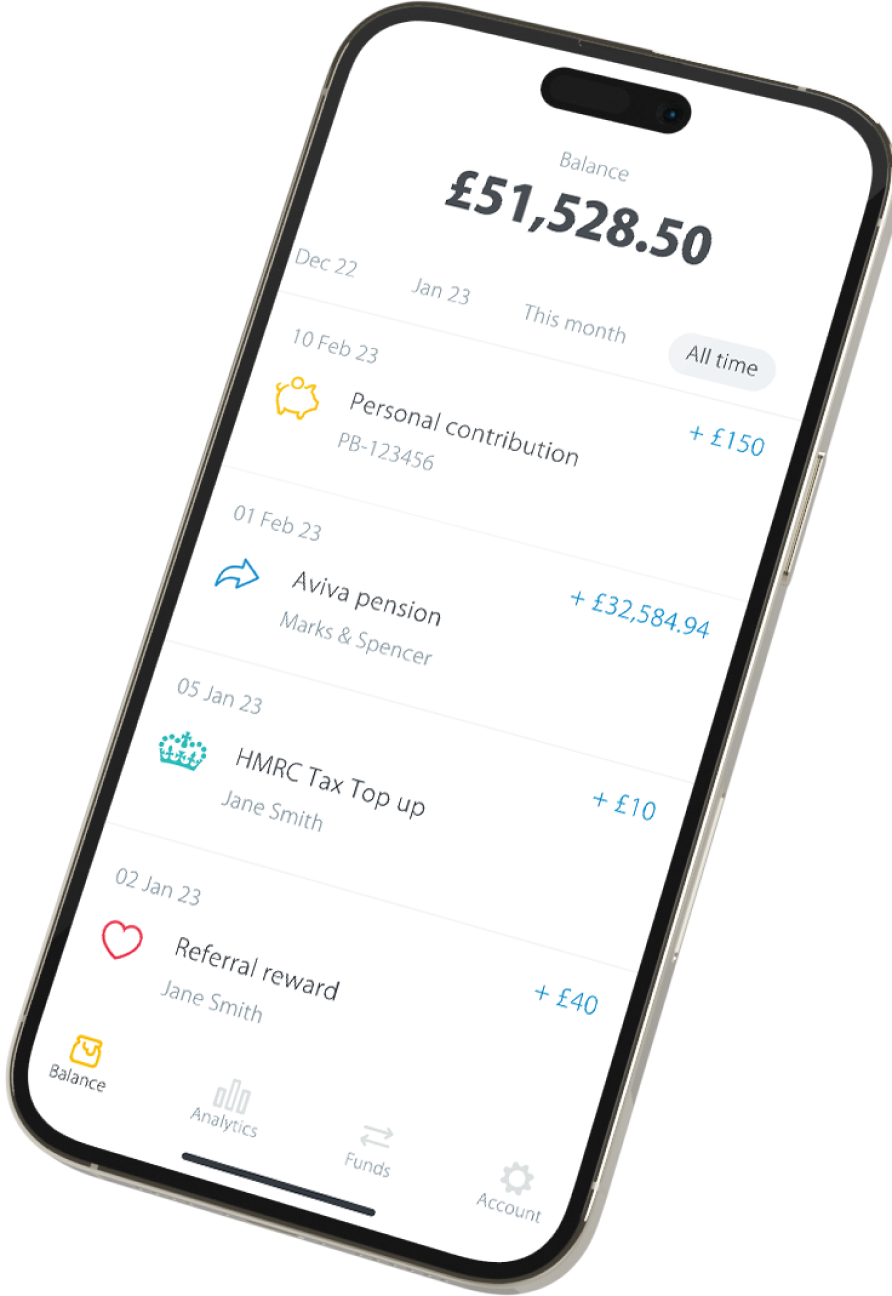
Thank you! Your submission has been received!
Oops! Something went wrong while submitting the form.

Future World Plan investor update Q2 2020

13
Aug 2020

Hi, I’m Nancy Kilpatrick from Legal and General, and I’m writing to you today to give you an update about the Future World Plan, which you’re invested in.

How did the plan perform compared to the market, over the last three months? Did we have a good quarter or a bad quarter?

The Future World Plan had a good quarter to end June 2020; returning 17.5% as global stock markets rebounded strongly during the second quarter, recovering much of the losses incurred during the opening quarter of 2020. Stimulus measures announced by central banks around the world, including several interventions by the US Federal Reserve to calm unsteady markets, lifted stocks in April. Subsequently, rising hopes for a rapid recovery in global economic growth helped to maintain the momentum behind equity markets as the quarter progressed, with lockdown measures being lifted and major economies reopening.

Year-to-date (to 17 July) global stock markets have more than recovered; returning 3.5% in sterling terms. US shares led the charge with the region recording its best performance since the final quarter of 1998. The market has been led higher largely by the major technology stocks which dominate both US and global markets. With the US making up around half of the country exposure within the fund, and technology _ni_rate with the likes of Microsoft, Amazon and Apple amongst the top 10 holdings, this has been beneficial for plan returns. Other regions present a mixed picture, with Europe overall just managing to eek out a positive return this year, emerging markets struggling and, most notably the UK, still down around _ni_rate this year. Given the industrial and consumer services (retail and restaurants) weightings in the UK market as a whole, our home region has struggled.

What can savers expect for the next quarter?

While it is pleasing to see such a recovery in markets we warn that these are still very early days. The outlook, not just for financial markets, but for all of our daily lives; is still very much driven by how the virus plays out. Recent signs of a second wave led to uncertainty around the severity of those. For financial markets particularly, the resulting impact to companies and the economy through the halt in activity brought about by lockdown measures are most likely to impact returns in stock markets. Indeed, at the time of writing we see increased cases in the US ‘sunbelt’ states leading to tightening lockdown measures. With vaccines generally unlikely to become widely available until next year, this reminds us that it is a case of too early to tell and makes us question how exuberant the stock markets can really be in these highly uncertain times.

How has Legal & General driven positive social change in the past quarter?

While we tend to believe that engagement via talks with company management taking place behind the scenes can often be most effective, there are occasions when we feel that it is necessary to address certain causes for concern publically.

Most recently we spoke out against the actions of the world’s largest mining company, Rio Tinto, following the destruction of a 46,000-year-old Aboriginal heritage site as part of a mine expansion. We were disappointed in this incident and concerned with the implications for the ongoing relationship with local communities.

While the issue of land rights and (social) licence to operate is a complex one, which has important ramifications for the mining industry, we have made it clear to not only the Chair, but to the sector and to regulators that we expect the company to demonstrate accountability in this case, and institute changes to prevent such incidents from happening again. While we watch for future developments closely, we continue to work with others to send a clear message – that business cannot be at the expense of community relations.

Views expressed are of Legal & General Investment Management Limited as at 28 July 2020. Forward-looking statements are, by their nature, subject to significant risks and uncertainties and are based on internal forecasts and assumptions and should not be relied upon. There is no guarantee that any forecasts made will come to pass. Nothing contained herein constitutes investment, legal, tax or other advice nor is it to be solely relied on in making an investment or other decision.

Your updated fact sheet will soon be available to download in the BeeHive. If you’d like to ask a question in the next update or share your thoughts, you can get in touch with PensionBee via email or Twitter.

As with all investments, past performance is not indicative of future performance and you may get back less than you start with.

Period
Market Event
FTSE World TR GBP (%)
4Plus Plan (%)
4Plus Plan’s inception – 6 Sept 2013
QE Tapering, China Interbank Crisis and its aftermath
-5.44
-2.41
3 Oct 2014 – 15 May 2015
Oil price drop, Eurozone deflation fears & Greek election outcome
-5.87
-1.77
7 Jan 2016 – 14 Mar 2016
China’s currency policy turmoil, collapse in oil prices and weak US activity
-7.26
-1.54
15 June 2016 – 30 June 2016
BREXIT referendum
-2.05
-1.07
Period
Market Event
FTSE World TR GBP (%)
4Plus Plan (%)
4Plus Plan’s inception – 6 Sept 2013
QE Tapering, China Interbank Crisis and its aftermath
-5.44
-2.41
3 Oct 2014 – 15 May 2015
Oil price drop, Eurozone deflation fears & Greek election outcome
-5.87
-1.77
7 Jan 2016 – 14 Mar 2016
China’s currency policy turmoil, collapse in oil prices and weak US activity
-7.26
-1.54
15 June 2016 – 30 June 2016
BREXIT referendum
-2.05
-1.07
Popular

Ready to boost your retirement savings?

Ready to boost your retirement savings?

Every contribution counts towards a more comfortable retirement. When your pension is in a good place, you’re in a good place.
Combine your old pensions into one simple plan
Invest with one of the world’s largest money managers
Make paper-free online withdrawals from the age of 55
Pay just one simple annual fee
  • Sign up in minutes
  • Transfer your old pensions into one new online plan
  • Invest with one of the world’s largest money managers
  • Pay just one simple annual fee
Capital at risk
Button with Google Play logo and text 'Get it on Google Play' on a black background.
No items found.
Capital at risk

Choose a self-employed pension that puts you in the driving seat

Sign up to our flexible pension plan for the self-employed and contribute as much or as little as you like, as often as you like.
Get started
When investing, your capital is at risk