Looking back on 2024, we can see it’s been a transformative year for global finance, and your investments. This period has been shaped by important political events, economic changes, and technological advancements that have affected your pension investments. Central banks have been driving down inflation, while the causes of inflation, like supply chain disruptions and heightened demand during the pandemic, have moved further into the rearview mirror.
With nearly half of the world’s population engaging in crucial elections, the political landscape has been dynamic and unpredictable. Increased geopolitical tensions have highlighted the fragility of peace and how conflicts can significantly affect markets and inflation.
Despite these challenges, signs of a global economic recovery have emerged. Inflation has begun to decline and interest rates are showing signs of stabilisation. Meanwhile, the growth of artificial intelligence (AI) has created new investment opportunities, presenting both potential benefits and challenges for investors.
Keep reading to find out how global stock markets performed in 2024 and what investors can hope for as we begin 2025.
What happened to stock markets?
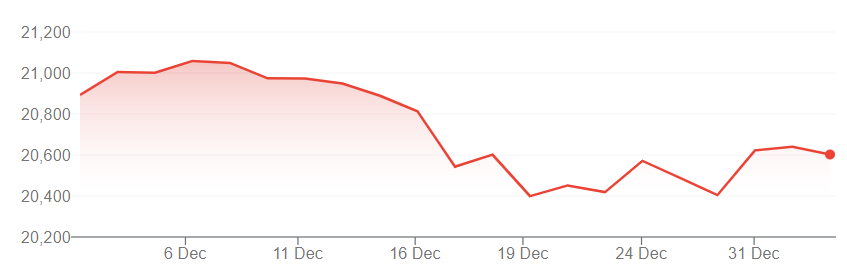
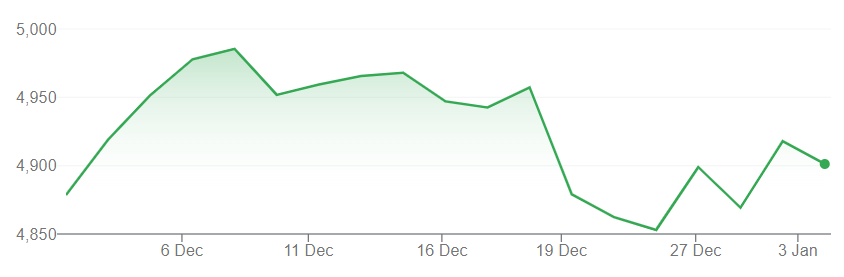
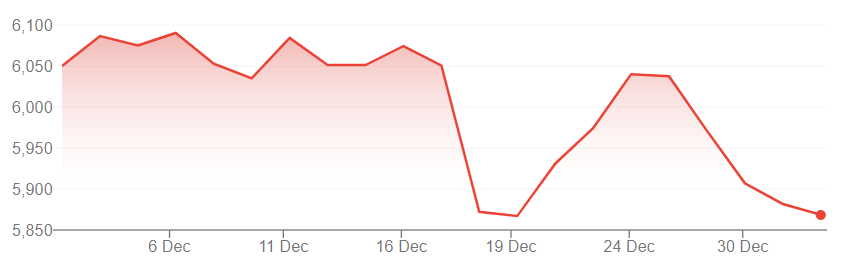
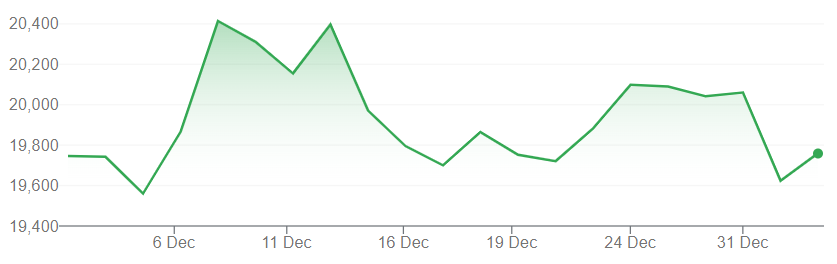
In the UK, the FTSE 250 Index fell by almost 1% in December. This brings the 2024 performance close to +5%.
In 2024, inflation rates around the world generally fell, as many countries moved towards a more stable economic situation after years of uncertainty. Major economies like the Eurozone and the United States reported inflation rates between 2.2% and 2.7%, which led central banks to rethink their financial strategies.
As a result, several central banks (including the European Central Bank and the Federal Reserve) started to lower interest rates due to the easing of inflation. The European Central Bank set its deposit rates at 3%, while the Federal Reserve reduced its rate range to 4._corporation_tax - 4.5%. This approach aimed to encourage economic growth while keeping inflation in check.
In the UK, inflation also showed improvement, with the 2% Bank of England target achieved in May, only for inflation to creep up to 2.6% by November. Even so, this indicated a more stable economy compared to earlier years. The Bank of England responded by cutting interest rates twice, first to 5% in August and then to 4.75% in November, maintaining this lower rate through the end of the year.
As we move into 2025, the current economic outlook could signal a positive year for defined contribution pensions. With the prospect of a soft landing and declining inflation, there’s potential for improved financial stability, which may benefit pension funds. A more stable economy can lead to better investment returns for pension schemes, helping to boost the potential income of future retirees.
Lower interest rates from central banks may also affect pension plans, particularly those that promise a fixed retirement income (such as a defined benefit scheme). If the economy continues to recover and grow, these pension schemes will find it easier to meet their funding obligations. This means they’ll have enough money available to pay eligible retirees. Overall, the investment landscape in 2024 suggests a cautious optimism for the future.
Do you want to know more about your pension plan with PensionBee? You can check out our Plans page to learn how your money is invested in different assets and locations, or log in to your BeeHive to see your specific plan. You can always send comments and questions to our team via engagement@pensionbee.com.
Risk warning
As always with investments, your capital is at risk. The value of your investment can go down as well as up, and you may get back less than you invest. This information should not be regarded as financial advice.
Period
Market Event
FTSE World TR GBP (%)
4Plus Plan (%)
4Plus Plan’s inception – 6 Sept 2013
QE Tapering, China Interbank Crisis and its aftermath