





Divorce can be a deeply personal and emotional experience. It also brings a series of practical steps that can affect future financial security.
During a separation, it’s natural to focus on the family home and the day-to-day costs of moving forward. Long-term savings, including pensions, can feel less urgent and are often left out of the conversation. The financial strain of divorce itself, from legal fees to setting up a new household, can add another layer of stress at a time that already feels overwhelming.
Yet after property, pensions are often one of the most valuable assets a couple has built together. When they aren’t fully considered during a settlement, the impact may not be obvious straight away, but it can shape financial security later in life. This can affect women in particular, especially where career breaks or caring responsibilities have meant limited pension saving over time.
Understanding why pensions are often missed during a separation is key. This awareness can help support fairer and more sustainable outcomes, especially for women.
Pensions are marital assets
It’s completely normal for pensions to feel personal, and that’s why many women hesitate to raise them during a separation. When contributions haven’t been equal, it can feel like the money built up in a pension belongs more to one partner.
Having a clear understanding of how pensions are treated in divorce can help women approach this part of the process with more confidence.
Many people aren’t aware that pensions are considered marital assets, in the same way as property or savings. They form part of the overall financial picture of a relationship.
In many homes, one person’s pension savings increase while the other handles unpaid care or spends time away from work. By taking on this unpaid work, they often make it possible for their partner to continue working and saving into a pension.
These contributions are important. That’s why pensions should be included when reaching a fair financial settlement, and why it’s reasonable to ask for them to be considered.
Divorce can widen the pension gap
Women in the UK already retire with smaller pension pots than men. This is known as the gender pension gap, and it often builds up gradually over time. PensionBee’s Pension Landscape Data shows that, on average, women over 50 have around £30,644 in their pension. Men of the same age have £54,512, leaving a 44% gap.
Pension saving differences reflect broader trends in people’s working lives. Women often earn less, take more time out of paid work, and are more likely to work part-time, which can reduce how much they’re able to save over time.
PensionBee’s research shows that in the first half of 2025, men contributed an average of £1,845 per quarter to their pensions, compared with £1,347 for women. That’s a difference of 27%.
Divorce isn’t the reason the gender pension gap exists. However, it can make it harder to close if pensions are missed or undervalued during a settlement.
Research from the UK Parliament House of Commons Library shows that divorced women aged 45-54 hold just 38% of the pension wealth of divorced men. On average, divorced women in this age group have pension savings of £16,000, compared with £42,000 for divorced men.
These figures reflect long-standing inequalities, which can worsen if pensions aren’t properly considered during divorce proceedings.
Why pensions are often overlooked
Pensions can be missed because divorce brings pressure, uncertainty, and urgent decisions.
Housing usually feels like the most immediate concern - especially for divorcing parents. Decisions about where you and your children will live and whether someone can afford the family home often come first.
Pensions, by contrast, relate to the future. When emotions are high and decisions feel pressing, retirement can seem a long way off. This can create informal trade-offs. For example, one person might keep the home while the other keeps the pension. However, a trade-off like this lacks a clear view of the long-term impact.
Pensions can also be difficult to compare. Many people have several pension pots built up over time, often with different employers.
Some pensions, particularly defined benefit pensions in the public sector, can be more valuable than they appear on paper. A single valuation figure may not reflect the income they could provide over a lifetime.
For some women, divorce might be the first time they’ve needed to engage with pensions at all. That can make the process feel overwhelming, especially when quick decisions are needed.
Keeping pensions part of the conversation
Raising pensions during divorce can feel uncomfortable. However, it’s not about asking for more than your share. It’s about understanding what financial security looks like for you later in life.
Pensions are designed to provide long-term income. For many women, they play a key role in maintaining independence and flexibility in retirement.
Including pensions in the conversation helps keep future needs in mind, not just today’s pressures.
Understanding your options
In the UK, pensions can usually be dealt with in several ways during divorce. The rules depend on where you live.
In England, Wales, and Northern Ireland, the total value of both partners’ pensions is taken into account. This includes any savings accumulated before the marriage.
Pension Sharing Orders
A Pension Sharing Order (PSO) transfers a percentage of one partner’s pension to the other. Each person then holds their own pension savings.
This option is often seen as one of the clearest ways to support long-term independence, as it creates a clean financial break.
It’s important to know that if you receive a pension share, it must be paid into a pension in your own name. If you don’t already have a pension, you’ll need to open one before the PSO can be completed. Opening a pension is usually straightforward and doesn’t mean you have to start making ongoing contributions.
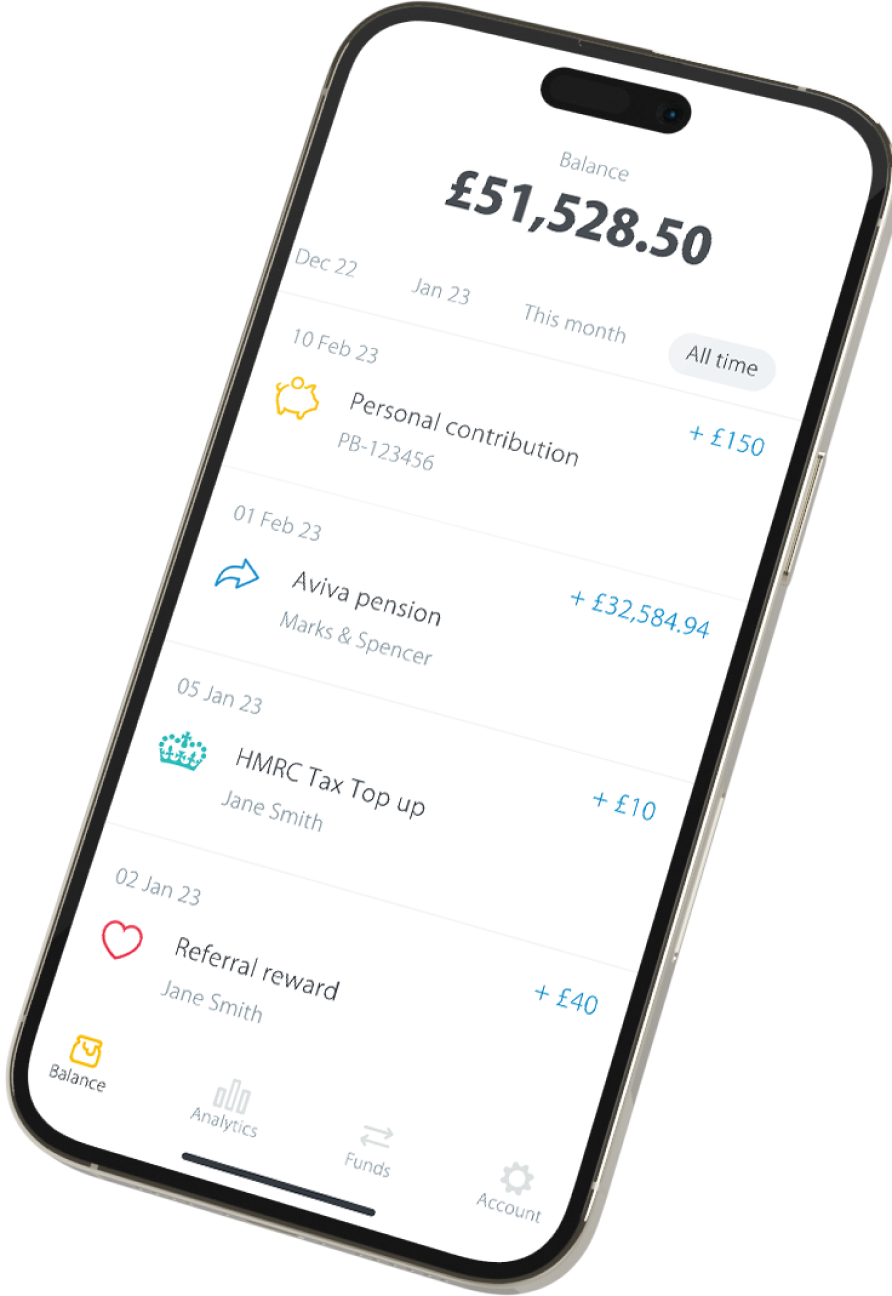
With PensionBee, you can receive or send a pension share from a divorce settlement in England, Wales or Northern Ireland at no charge. If you don’t already have an account, you can sign up and choose from a range of pension plans.
Pension offsetting
Pension Offsetting involves balancing pensions against other assets, such as property. For example, one person may keep a larger share of the home while the other keeps more of the pension.
This approach relies on accurate valuations and a clear understanding of future income, not just today’s asset values. A home may offer stability, but it doesn’t provide retirement income in the same way a pension does.
Pension Attachment Orders
A Pension Attachment Order pays part of one person’s pension income to their former partner when the pension is accessed (usually from age 55, rising to 57 from 2028).
This option is less common. It keeps both people financially linked because one person’s income relies on the other’s retirement choices.
Practical steps to take
You don’t need to understand everything or deal with everything at once. Small steps can still make a meaningful difference. Divorce can be emotionally demanding, so it helps to have a clear list to focus on when things feel uncertain.
- Start with one clear question - do either of you have a pension, and if so, what type. This includes workplace pensions, personal pensions and any pensions from previous jobs.
- Get up-to-date valuations - pension providers can share a current valuation and basic information about how the pension works. If this feels unclear, a solicitor or Independent Financial Adviser (IFA) can help explain what the figures mean in plain terms.
- Understand how pensions can be shared - pensions can usually be divided in different ways during divorce. Knowing the options can help you understand what a fair outcome might look like.
- Think about future income, not just today’s value - consider what each option could provide later in life, including income in retirement.
- Get expert help - a qualified IFA who knows about divorce can show you how different choices might impact your long-term finances.
Looking ahead
Divorce is a time that can bring uncertainty and a lot of competing needs, particularly if you’re parenting through the process. It’s not always clear what to tackle first.
That’s why it can help to slow things down and take a step-by-step approach, with outside help if needed. Clear information and the right support can reduce the pressure and help you avoid decisions made in haste.
As part of that wider picture, including pensions in the conversation can help protect your future. It also helps recognise the full contribution made during a relationship, including both paid work and unpaid care.
Taking things step-by-step now can help you feel more protected in the years ahead.
Risk warning
As always with investments, your capital is at risk. The value of your investment can go down as well as up, and you may get back less than you invest. This information should not be regarded as financial advice.
Period | Market Event | FTSE World TR GBP (%) | 4Plus Plan (%) |
|---|---|---|---|
4Plus Plan’s inception – 6 Sept 2013 | QE Tapering, China Interbank Crisis and its aftermath | -5.44 | -2.41 |
3 Oct 2014 – 15 May 2015 | Oil price drop, Eurozone deflation fears & Greek election outcome | -5.87 | -1.77 |
7 Jan 2016 – 14 Mar 2016 | China’s currency policy turmoil, collapse in oil prices and weak US activity | -7.26 | -1.54 |
15 June 2016 – 30 June 2016 | BREXIT referendum | -2.05 | -1.07 |